
BuyLowDrugs.com: Your Affordable Pharmaceuticals Resource - Page 2
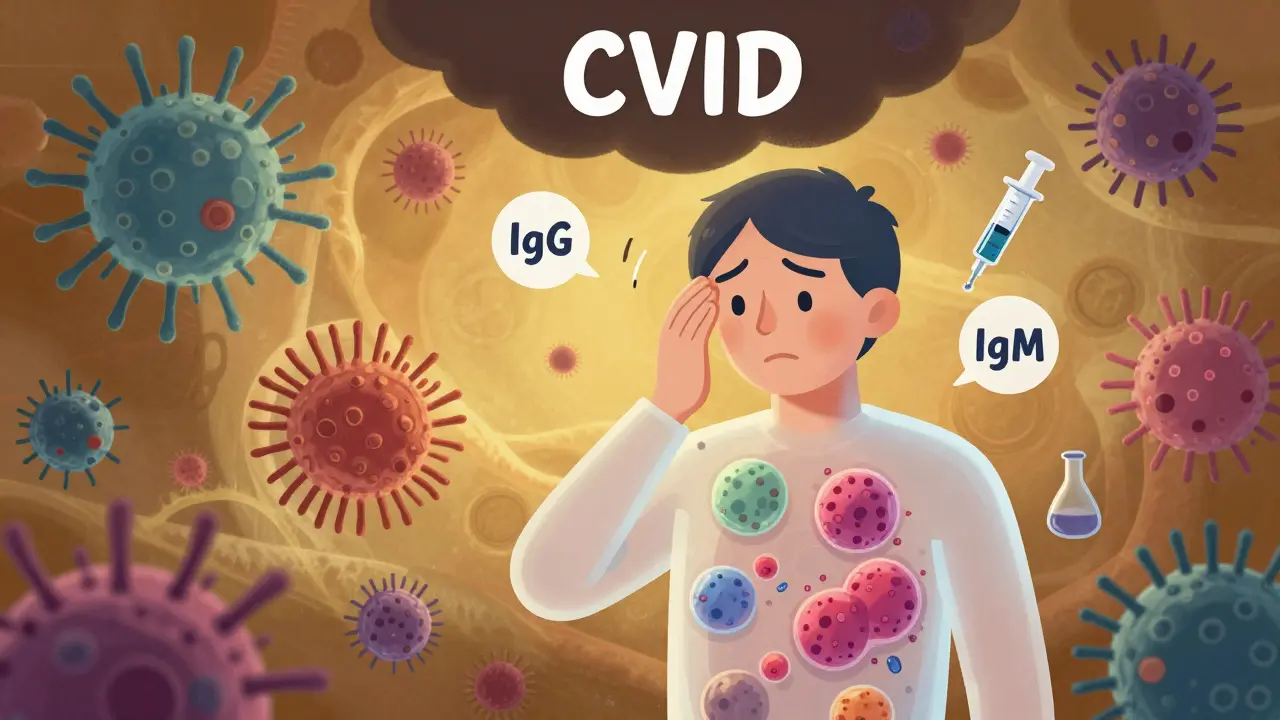
Common Variable Immunodeficiency: Understanding Antibody Deficiency and Treatment Options
- Robin Tudge
- March 17, 2026
- 10 Comments
Common Variable Immunodeficiency (CVID) is a serious antibody deficiency that leaves people vulnerable to frequent infections. Learn how immunoglobulin therapy works, what complications to watch for, and how treatment has turned a once-fatal condition into a manageable one.
read more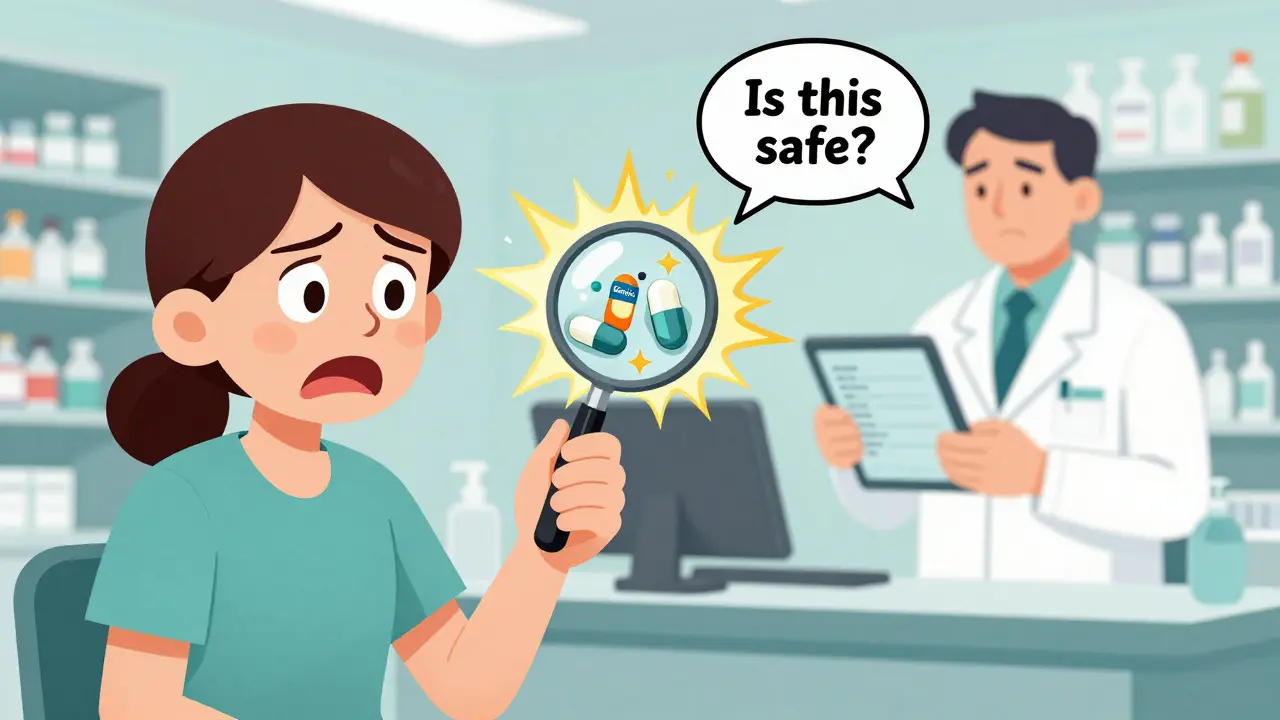
How to Address Allergies to Inactive Ingredients in Generics
- Robin Tudge
- March 15, 2026
- 12 Comments
Many generic medications contain hidden allergens like lactose, gluten, or food dyes that can trigger reactions. Learn how to identify risky ingredients, ask the right questions, and protect yourself from unexpected drug reactions.
read more
Common Cold vs Influenza: Symptoms, Complications, and When Antivirals Work
- Robin Tudge
- March 12, 2026
- 15 Comments
Learn the key differences between common cold and influenza symptoms, complications, and when antivirals actually work. Stop guessing - know what to do when you’re sick.
read more
Therapeutic Interchange: What Providers Really Do When Substituting Medications
- Robin Tudge
- March 10, 2026
- 13 Comments
Therapeutic interchange lets pharmacists swap one drug for another in the same class to cut costs - without sacrificing effectiveness. Here’s how it works, why it matters, and what patients need to know.
read more
Bioequivalence and Patient Safety: Why Testing Matters for Generic Drugs
- Robin Tudge
- March 5, 2026
- 8 Comments
Bioequivalence testing ensures generic drugs work just like brand-name versions, protecting patient safety while cutting costs. Learn how science, regulation, and real-world data make generics reliable.
read more
How to Transition from Liquid to Chewable or Tablet Medications for Kids
- Robin Tudge
- March 3, 2026
- 8 Comments
Learn how to safely switch your child from liquid medication to chewable or tablet forms. Discover key risks, dosing tips, and real-world mistakes parents make - plus how to ensure the medicine actually works.
read more
Bupropion Side Effects: Insomnia, Anxiety, and Seizure Risk Explained
- Robin Tudge
- March 1, 2026
- 13 Comments
Bupropion helps with depression and smoking cessation but comes with real risks: insomnia, anxiety, and seizures. Learn how to use it safely and what to watch for.
read more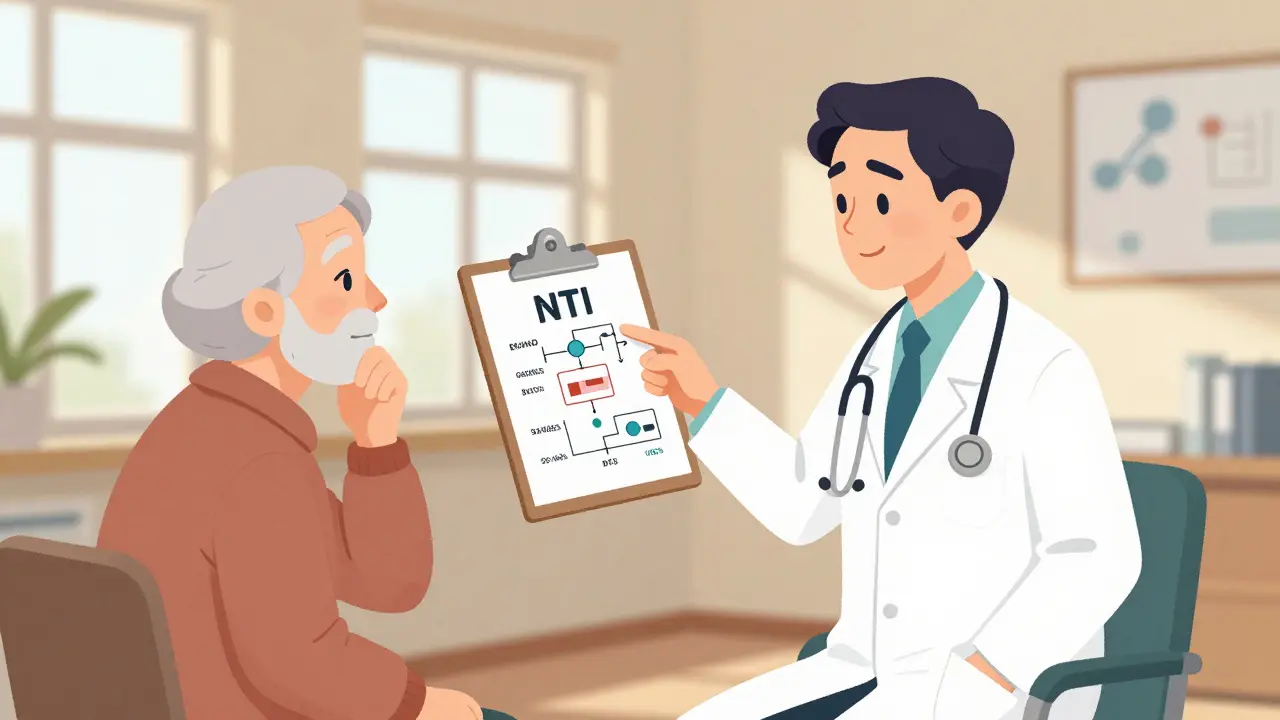
How to Talk to Patients About Switching to Generic NTI Drugs
- Robin Tudge
- February 26, 2026
- 8 Comments
Switching to generic NTI drugs requires clear communication, monitoring, and trust. Learn what to say, when to test, and how to keep patients safe during substitution.
read more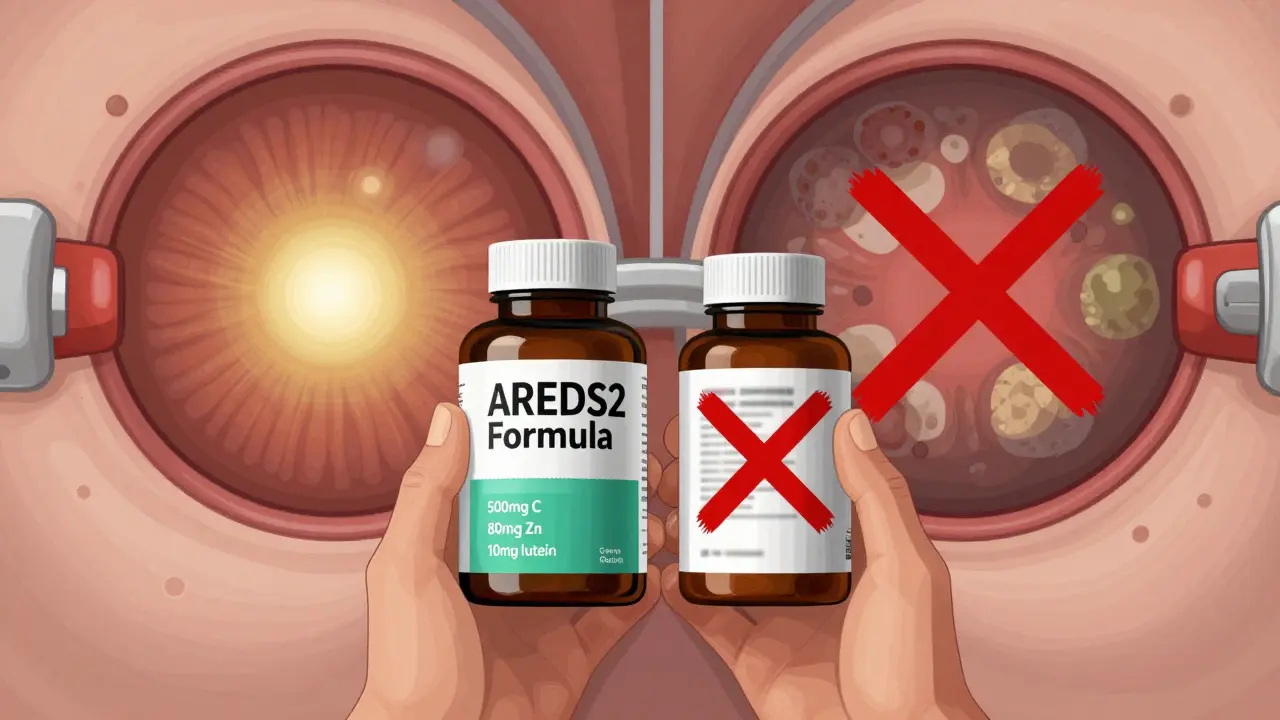
AMD Vitamins: AREDS2 Evidence and Who Should Take Them
- Robin Tudge
- February 24, 2026
- 15 Comments
AREDS2 vitamins are proven to slow AMD progression in people with intermediate or late-stage disease-but only if taken correctly. They don't prevent AMD or restore vision. Learn who truly benefits and what the science says.
read more
Refrigerated Medications While Traveling: Best Cooling Options Explained
- Robin Tudge
- February 19, 2026
- 11 Comments
Learn how to safely travel with refrigerated medications like insulin and biologics using the most reliable cooling options. Avoid degradation, TSA issues, and ineffective treatment with proven gear and expert tips.
read more