
Archive: 2026/02

How to Talk to Patients About Switching to Generic NTI Drugs
- Robin Tudge
- February 26, 2026
- 8 Comments
Switching to generic NTI drugs requires clear communication, monitoring, and trust. Learn what to say, when to test, and how to keep patients safe during substitution.
read more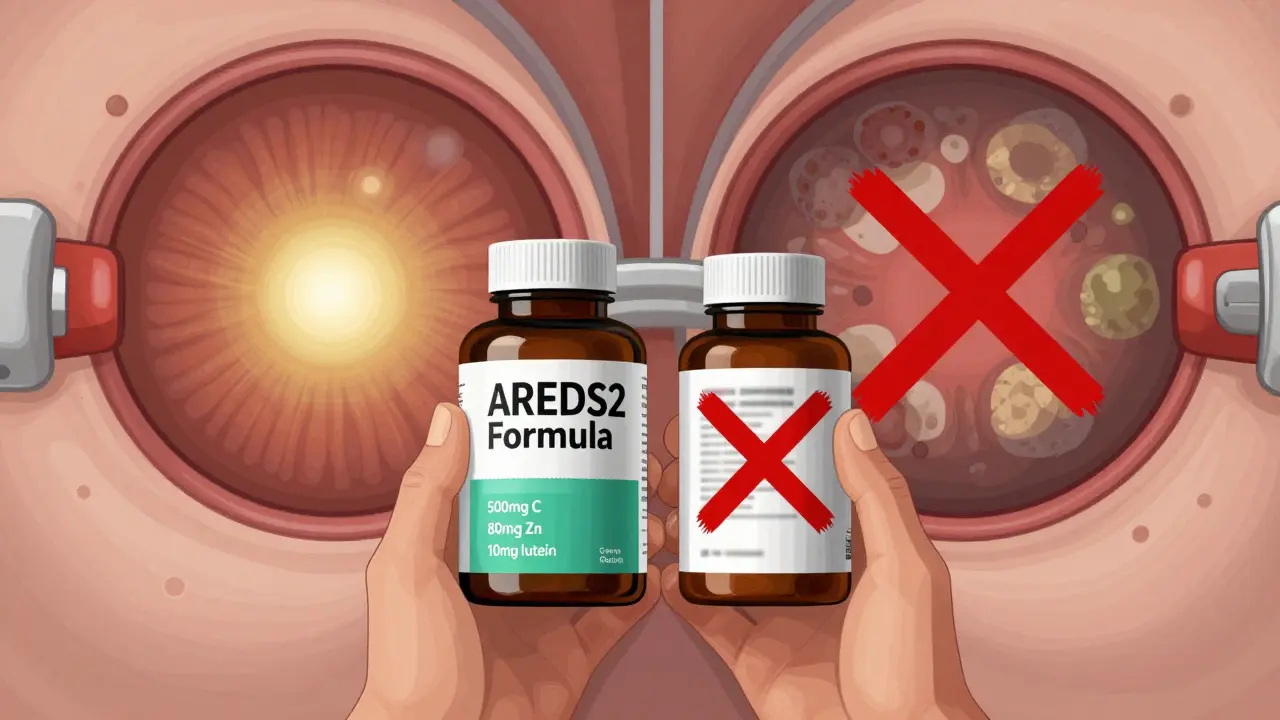
AMD Vitamins: AREDS2 Evidence and Who Should Take Them
- Robin Tudge
- February 24, 2026
- 15 Comments
AREDS2 vitamins are proven to slow AMD progression in people with intermediate or late-stage disease-but only if taken correctly. They don't prevent AMD or restore vision. Learn who truly benefits and what the science says.
read more
Refrigerated Medications While Traveling: Best Cooling Options Explained
- Robin Tudge
- February 19, 2026
- 11 Comments
Learn how to safely travel with refrigerated medications like insulin and biologics using the most reliable cooling options. Avoid degradation, TSA issues, and ineffective treatment with proven gear and expert tips.
read more
Medication Reminder Strategies: Apps, Alarms, and Organizers for Better Adherence
- Robin Tudge
- February 15, 2026
- 10 Comments
Medication non-adherence causes 125,000 U.S. deaths yearly. Discover how apps, alarms, and pill organizers improve adherence with real-world data, user feedback, and expert insights.
read more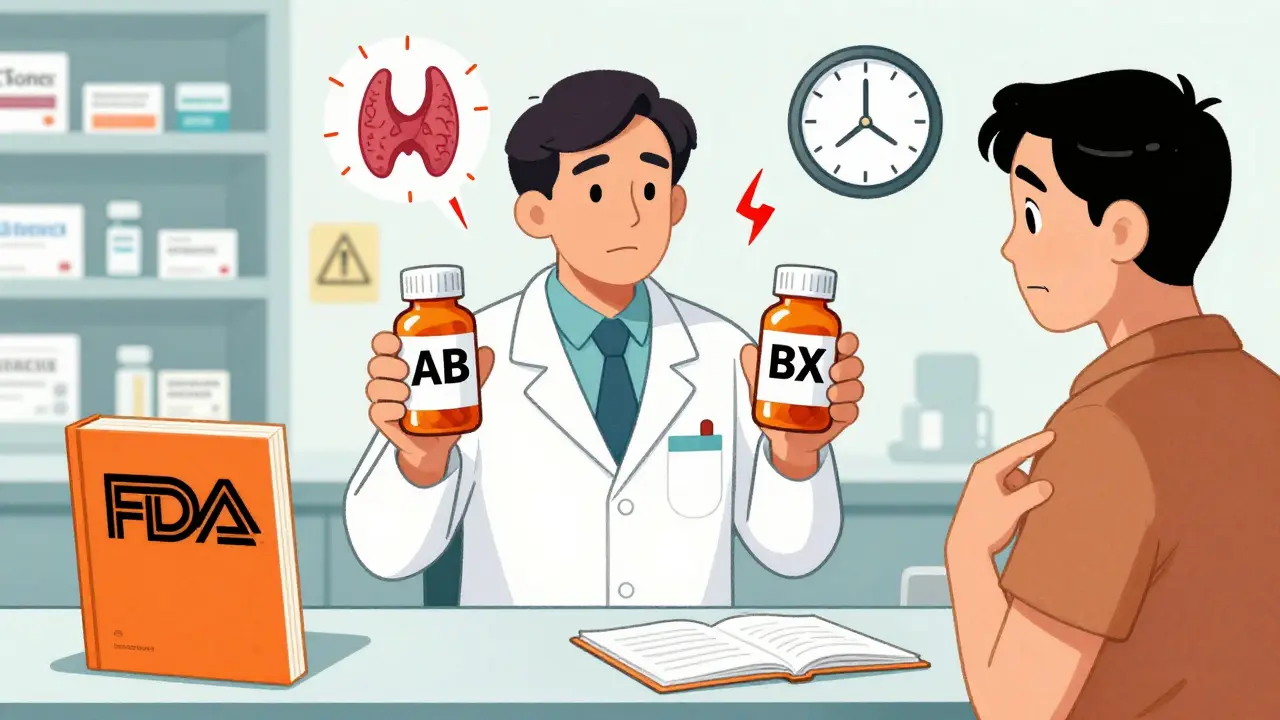
When Pharmacists Should Flag Problematic Generic Medications
- Robin Tudge
- February 12, 2026
- 12 Comments
Generics save money but aren't always interchangeable. Pharmacists must know when to flag problematic generics - especially for NTI drugs, extended-release formulations, and look-alike medications - to prevent patient harm.
read more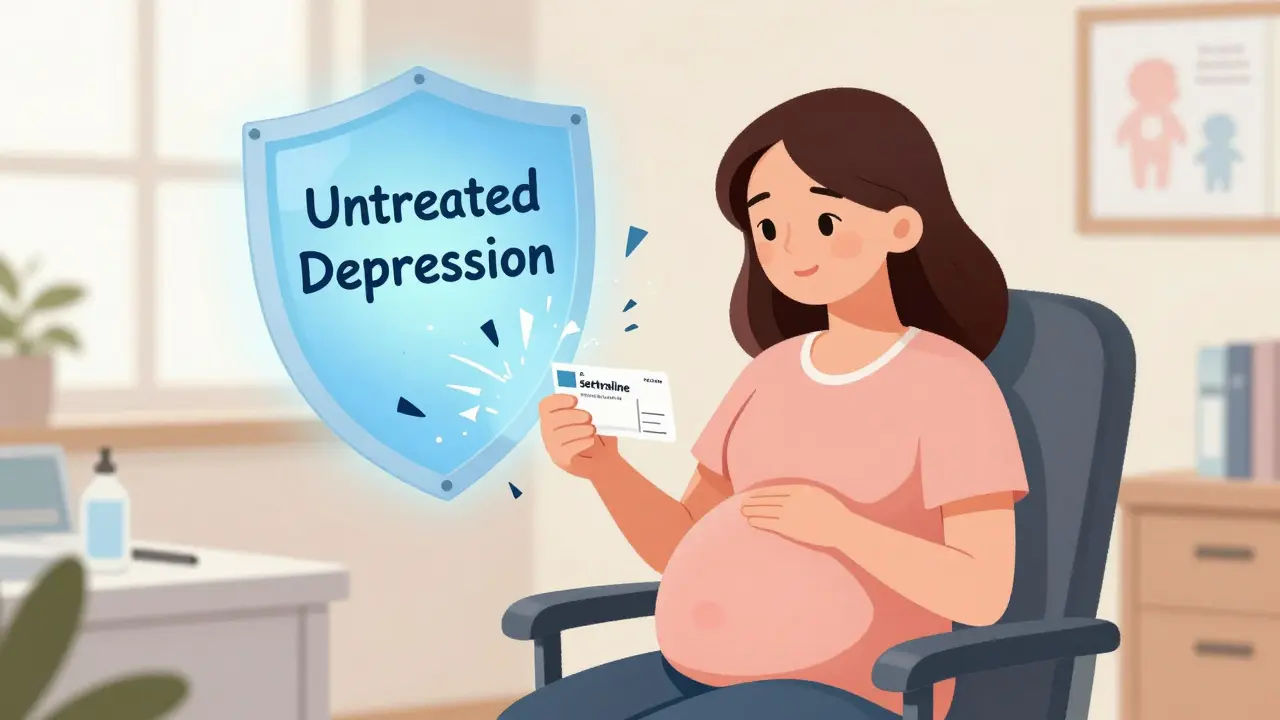
SSRIs and Antidepressants During Pregnancy: What You Need to Know About Risks and Benefits
- Robin Tudge
- February 10, 2026
- 10 Comments
SSRIs during pregnancy carry small risks, but untreated depression poses far greater dangers to mother and baby. Learn which medications are safest, what the real risks are, and how to make the best decision for your mental and physical health.
read more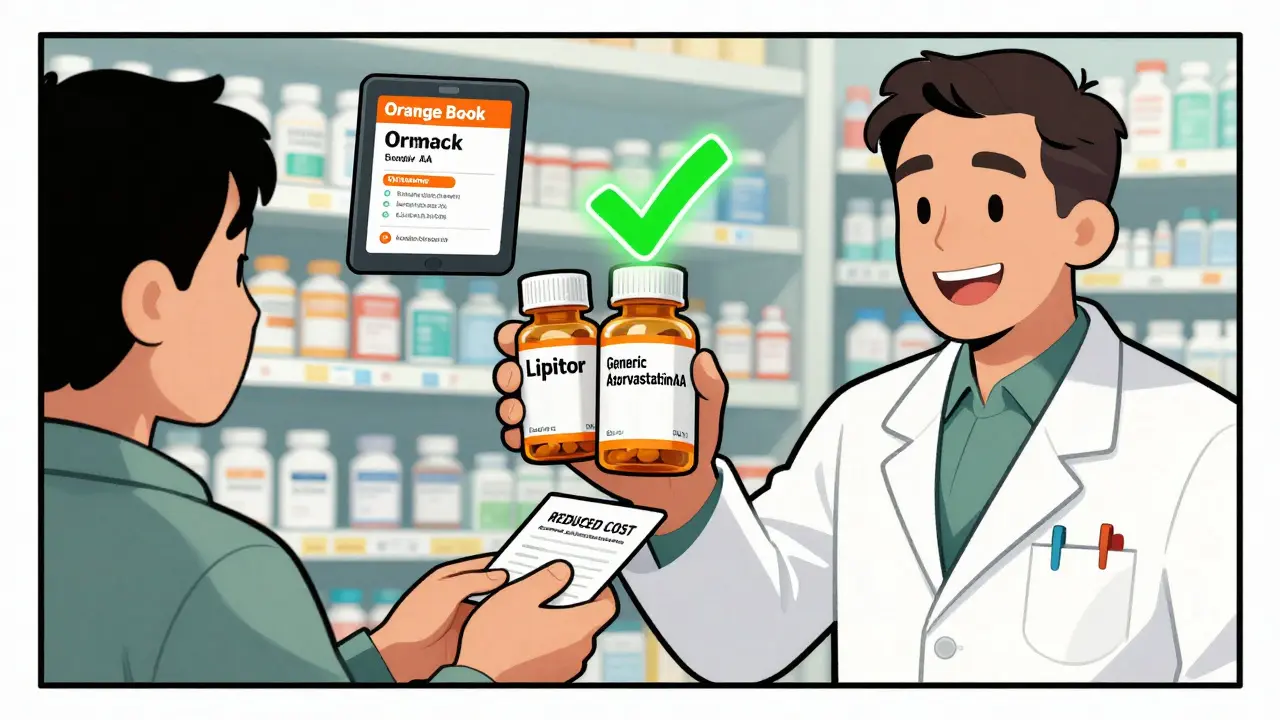
FDA Therapeutic Equivalency Codes: How Laws Determine Which Generic Drugs Can Be Substituted
- Robin Tudge
- February 8, 2026
- 13 Comments
FDA therapeutic equivalency codes determine whether generic drugs can be legally substituted for brand-name versions. Learn how the Orange Book system works, what A and B codes mean, and why they save billions in healthcare costs.
read more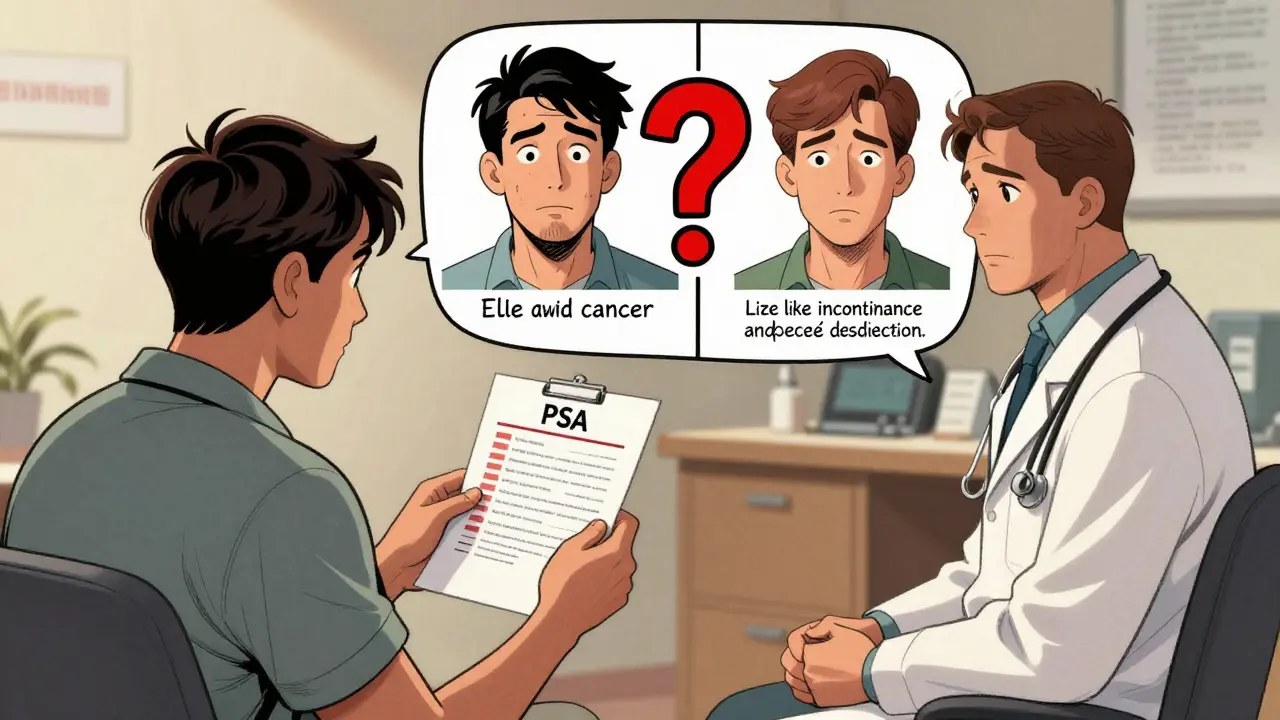
PSA Screening Controversies: Why Shared Decision-Making Matters for Prostate Cancer
- Robin Tudge
- February 7, 2026
- 9 Comments
PSA screening for prostate cancer saves some lives but causes more harm than good for many men. Shared decision-making ensures you understand the risks and benefits before testing.
read more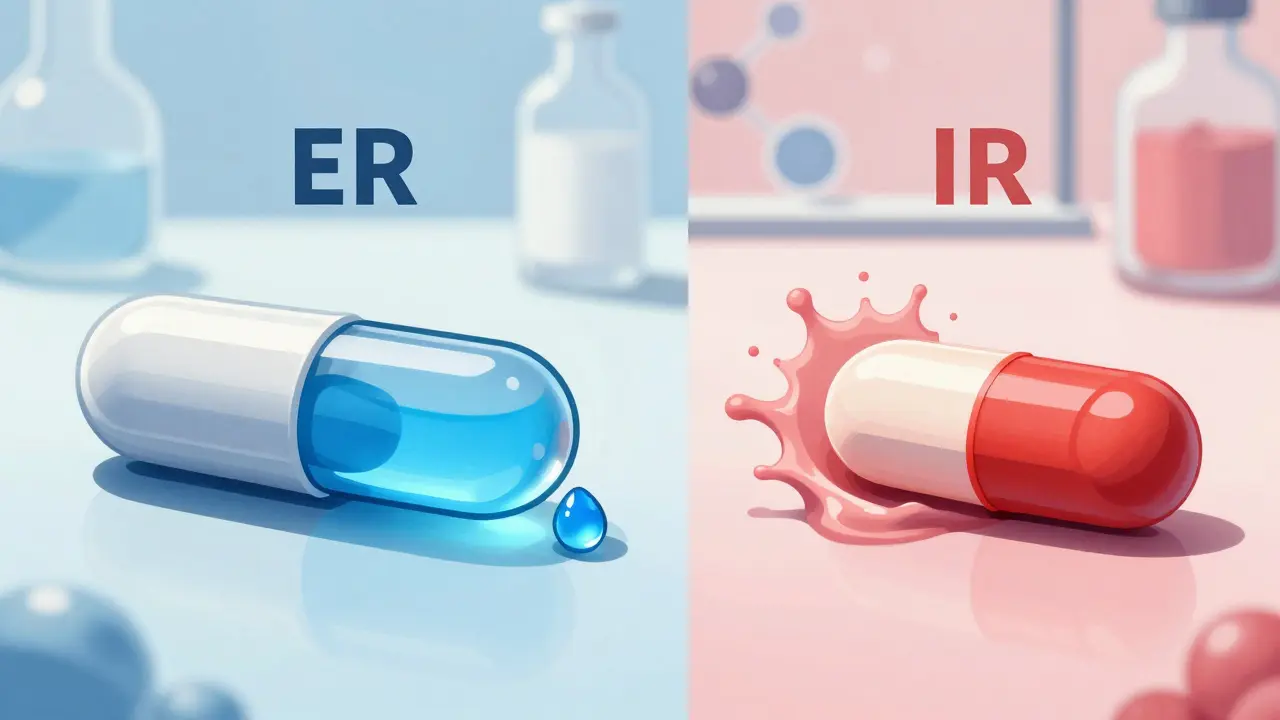
Extended-Release vs. Immediate-Release Medications: Timing, Risks, and When to Use Each
- Robin Tudge
- February 5, 2026
- 11 Comments
Learn the key differences between extended-release and immediate-release medications, including how they work, their risks, and when each type is safest. Find out why ER formulations improve adherence but require careful handling to avoid overdose.
read more
How to Manage Medication Refills During Extended Travel: Essential Steps for Safe Trips
- Robin Tudge
- February 4, 2026
- 8 Comments
Learn how to manage prescription refills while traveling. Steps for insurance overrides, TSA rules, international requirements, and emergency solutions. Avoid missed doses and hospitalizations.
read more