
Category: Medications - Page 4
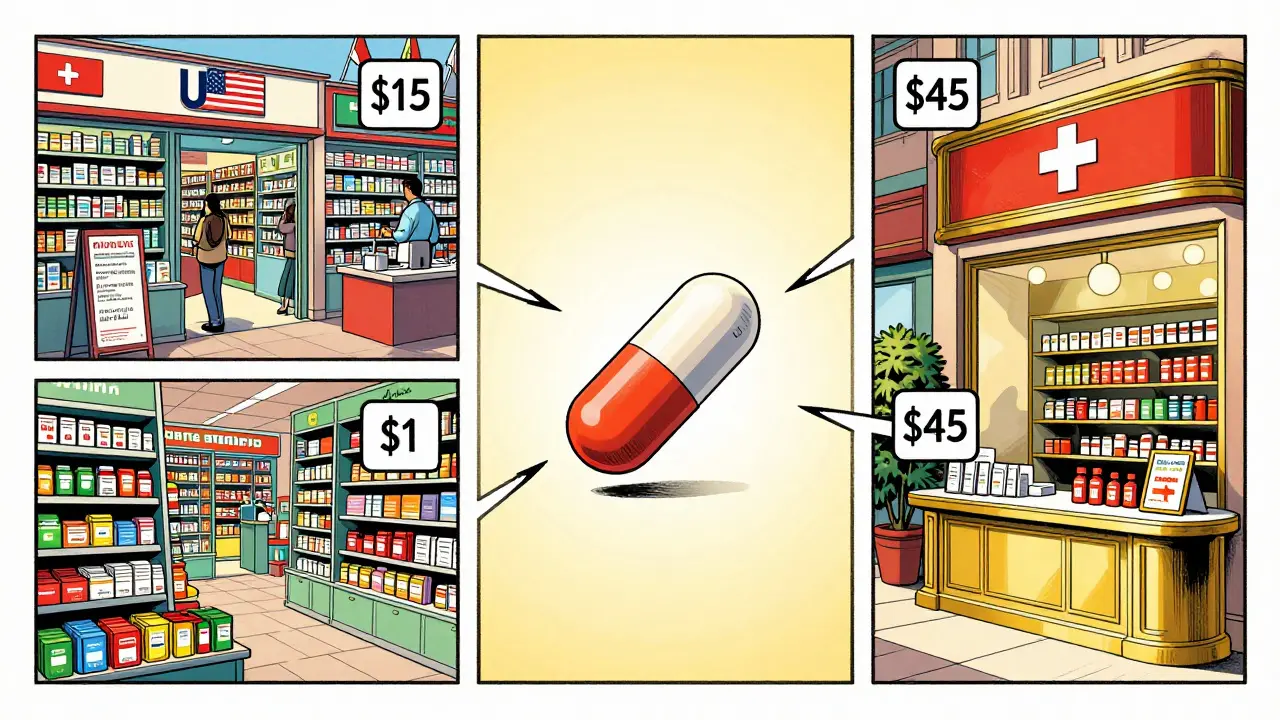
Generic Drug Availability: Why Same Medicines Cost Different Prices Around the World
- Robin Tudge
- December 25, 2025
- 11 Comments
Generic drugs save billions worldwide, but prices and availability vary wildly between countries. Learn why the same pill costs 600% more in some places-and what it means for your health.
read more
Opioid Safety: How Naloxone Works, Overdose Risks, and Safe Storage Practices
- Robin Tudge
- December 21, 2025
- 0 Comments
Learn how naloxone reverses opioid overdoses, why fentanyl makes overdoses deadlier, and how to store and use naloxone safely to save lives. Essential info for families, friends, and anyone at risk.
read more
Polypharmacy and Side Effects: How Taking Too Many Medications Increases Health Risks
- Robin Tudge
- December 20, 2025
- 0 Comments
Taking five or more medications increases the risk of falls, confusion, and death. Learn how polypharmacy harms older adults and what deprescribing can do to restore safety and quality of life.
read more
Penicillin Desensitization: Safe Protocols for Patients with Penicillin Allergy
- Robin Tudge
- December 15, 2025
- 11 Comments
Penicillin desensitization safely allows allergic patients to receive life-saving penicillin therapy when no alternatives exist. Learn how it works, who qualifies, and why it's critical for fighting antibiotic resistance.
read more
Licensed Pharmacies: How to Verify Your Pharmacy Is Legitimate and Avoid Counterfeit Drugs
- Robin Tudge
- December 15, 2025
- 14 Comments
Learn how to verify if your pharmacy is licensed and avoid counterfeit drugs. Use state boards, NABP Verify, and real red flags to protect yourself from fake online pharmacies.
read more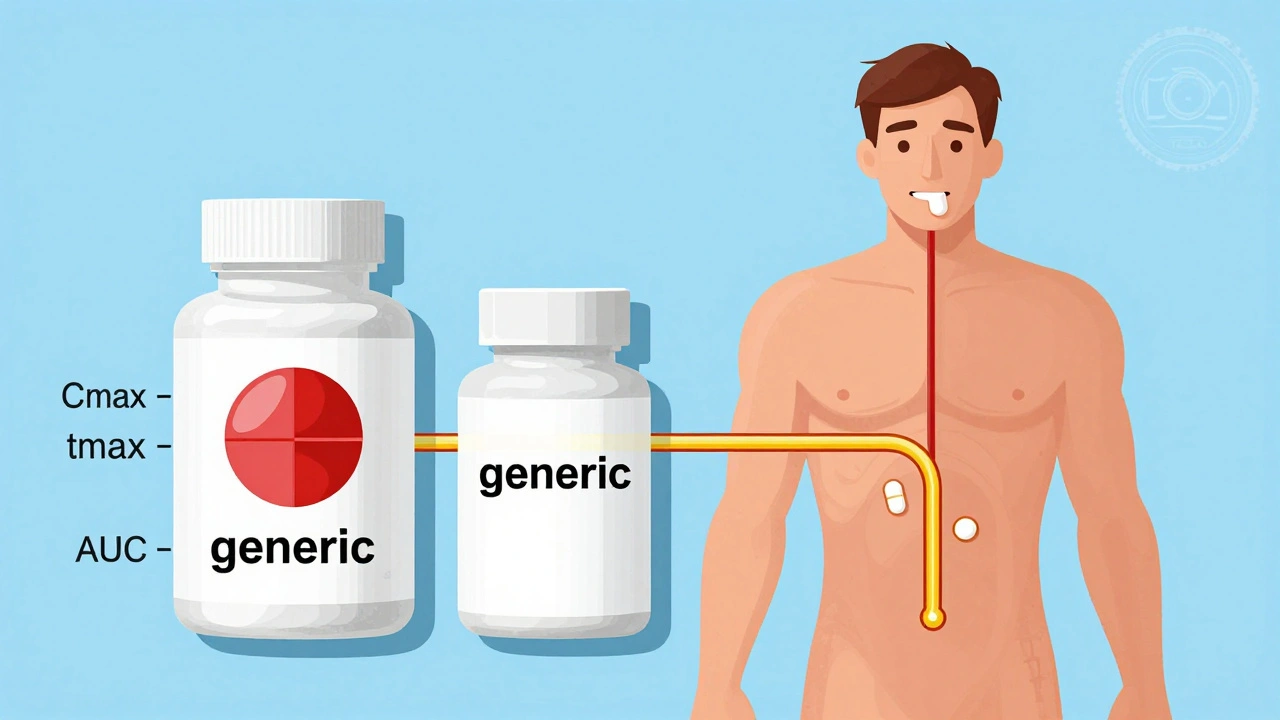
Bioequivalent Medications: What the Term Really Means
- Robin Tudge
- December 12, 2025
- 14 Comments
Bioequivalent medications are generic drugs proven to work the same as brand-name versions in the body. Learn how the FDA tests them, why they're safe, and when to be cautious.
read more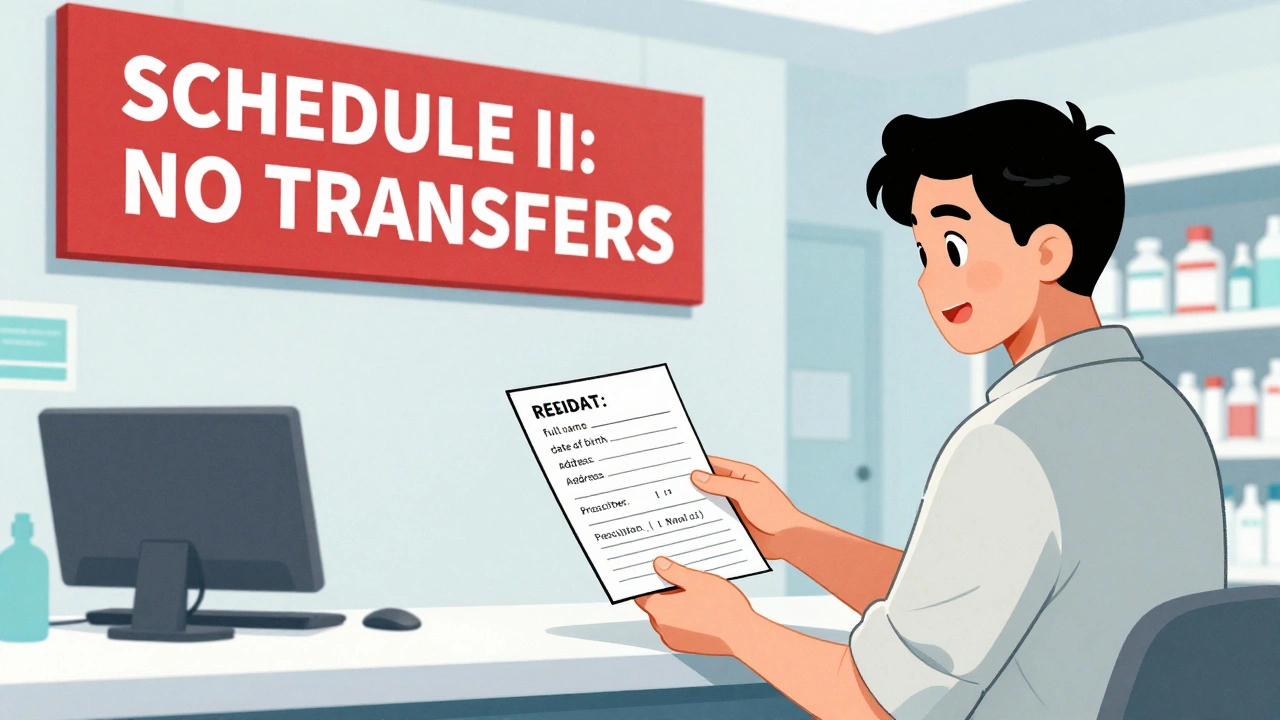
Switching Pharmacies: What Information You Need to Provide for Prescription Transfers
- Robin Tudge
- December 10, 2025
- 13 Comments
Learn what information to provide when switching pharmacies, especially for controlled substances. Understand DEA rules, transfer limits, and how to avoid delays in getting your prescriptions filled.
read more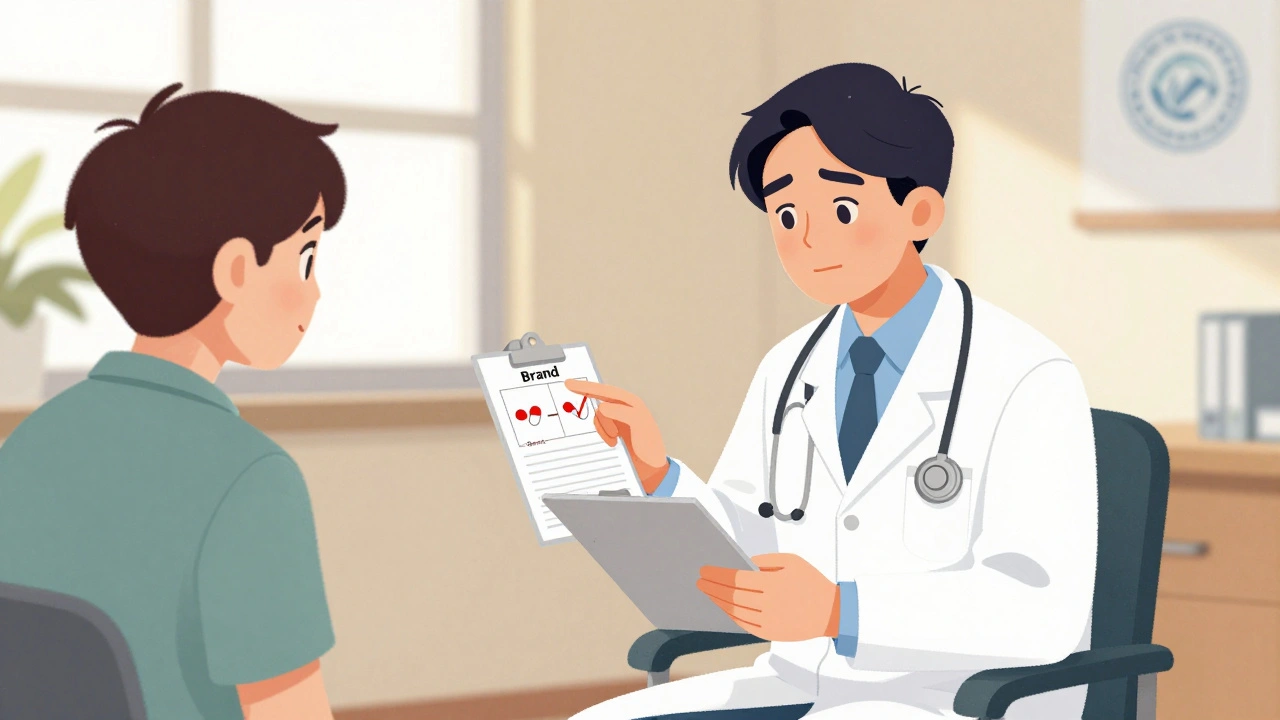
How Clinician Communication Shapes Patient Trust in Generic Medications
- Robin Tudge
- December 9, 2025
- 8 Comments
Clinician communication is the most powerful factor in whether patients accept generic medications. Clear, confident explanations about FDA bioequivalence, cost savings, and safety can increase adherence by 37% and reduce nocebo effects by 28%.
read more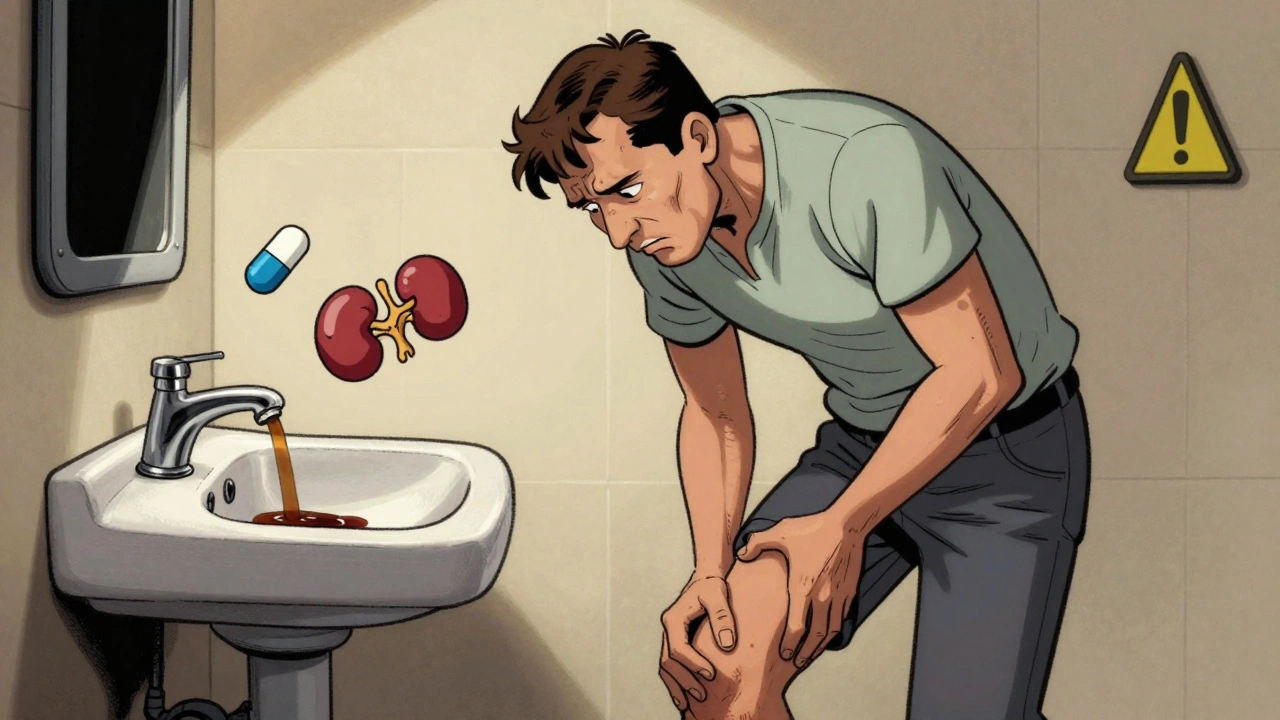
Rhabdomyolysis from Statins: What You Need to Know About This Rare but Dangerous Side Effect
- Robin Tudge
- December 8, 2025
- 12 Comments
Rhabdomyolysis from statins is rare but serious. Learn the signs, risk factors, and what to do if you experience muscle pain while taking cholesterol-lowering meds.
read more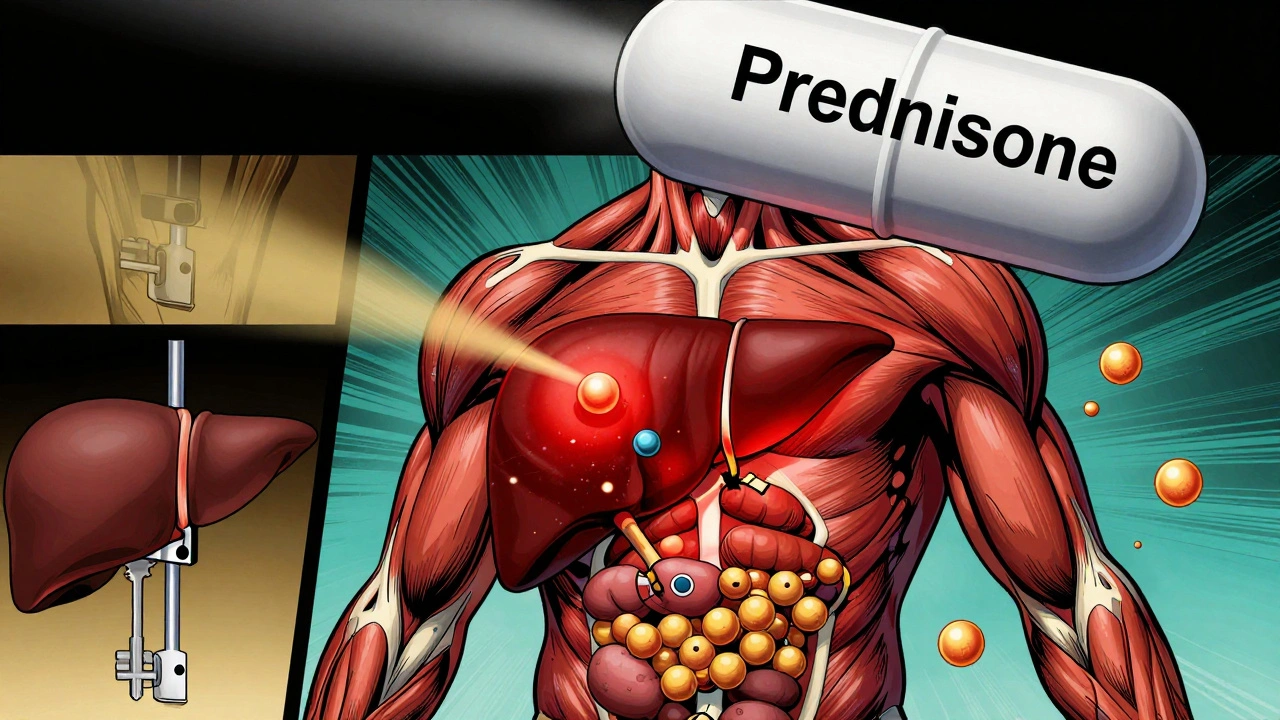
Corticosteroids and Diabetes: How Steroids Cause High Blood Sugar and How to Manage It
- Robin Tudge
- December 1, 2025
- 10 Comments
Corticosteroids like prednisone can cause dangerous spikes in blood sugar, even in people without diabetes. Learn how steroids trigger hyperglycemia, who's most at risk, and how to manage it safely with insulin and monitoring.
read more