
Fluoroquinolone Side Effects: What You Need to Know Before Taking These Antibiotics
When you hear fluoroquinolone, a class of powerful antibiotics used for stubborn infections like pneumonia, urinary tract infections, and sinusitis. Also known as FQ antibiotics, they’re often prescribed when other drugs fail—but they come with risks many doctors don’t fully explain. These drugs include ciprofloxacin, levofloxacin, and moxifloxacin. They work fast, but their side effects don’t always go away after you stop taking them.
One of the most serious risks is tendon rupture, a sudden tear in the Achilles or other tendons, often without warning. This isn’t rare—it’s listed in FDA black box warnings. People over 60, those on steroids, or with kidney problems are at higher risk. Even light activity like walking can trigger it. Another hidden danger is peripheral neuropathy, nerve damage that causes burning, tingling, or numbness in hands and feet. It can start within days and last for years, or become permanent. Some patients report brain fog, severe fatigue, or muscle weakness long after finishing the course. These aren’t just "common side effects"—they’re potentially disabling.
Not everyone gets hit hard, but the damage can be sudden and irreversible. The FDA has warned against using fluoroquinolones for simple infections like sinusitis or bronchitis unless no other options exist. If you’re prescribed one, ask: "Is this absolutely necessary?" and "What are the alternatives?" Drugs like amoxicillin or doxycycline often work just as well with far fewer risks. If you’ve had a reaction before, never take another fluoroquinolone. These antibiotics aren’t bad by design—but they’re often misused, and the consequences don’t always show up on a lab report.
What you’ll find below are real, practical posts that dig into how these drugs interact with other medications, who’s most at risk, and what to do if you’ve already taken them. You’ll see how side effects show up in older adults, how they connect to other common drugs like steroids or blood pressure meds, and why some patients end up with long-term pain no one seems to understand. This isn’t theoretical—it’s what people are experiencing, and what doctors are starting to take more seriously.
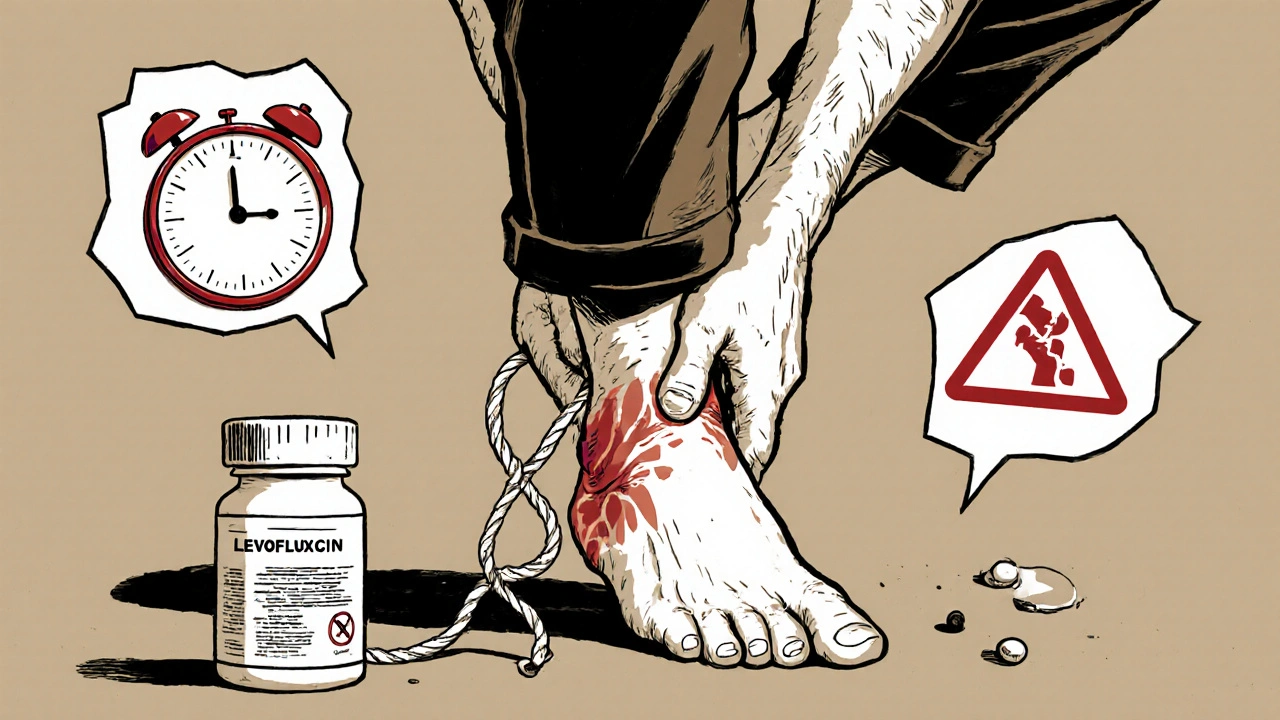
Fluoroquinolone Side Effects: Tendinopathy and Nerve Damage Risks
- Robin Tudge
- November 22, 2025
- 11 Comments
Fluoroquinolone antibiotics like ciprofloxacin and levofloxacin can cause permanent tendon rupture and nerve damage. Learn who’s at risk, how to recognize early signs, and safer alternatives for common infections.
read more