
CROS Hearing Aid: What It Is and How It Helps with Hearing Loss
When you can’t hear out of one ear but your other ear works fine, everyday sounds become confusing. Cars honking from the left? Voices from behind? That’s where a CROS hearing aid, a device designed for single-sided deafness that transfers sound from the poorer ear to the better one. Also known as Contralateral Routing of Signal, it’s not a cure—but it’s one of the most practical tools for people living with unilateral hearing loss. Unlike traditional hearing aids that just amplify sound, a CROS system picks up noise on the side you can’t hear and sends it wirelessly to a device in your good ear. This helps your brain make sense of where sounds are coming from, making conversations in noisy rooms, walking down busy streets, or even watching TV feel less exhausting.
People often mistake CROS hearing aids for regular ones, but they’re built for a very specific problem: when one ear has little to no usable hearing, and the other is normal or near-normal. It’s common in adults who lost hearing after an infection, surgery, or injury—like acoustic neuroma removal—or in kids born with it. The system usually has two parts: a microphone on the deaf side and a receiver on the better ear. Some newer models use Bluetooth to connect to phones or TVs, letting you stream audio directly. There’s also a related type called bone conduction hearing aids, devices that send sound through the skull bone to the inner ear, bypassing the outer and middle ear. These are helpful if the ear canal is blocked or if the inner ear is damaged, but CROS works best when the good ear is fully functional. You don’t need surgery for most CROS devices—they’re worn like behind-the-ear hearing aids or as tiny in-the-ear units. Some even come in discreet styles that look like regular earbuds.
What you won’t find in a CROS system is the ability to restore hearing in the deaf ear. That’s important to understand. It doesn’t fix the damage—it works around it. That’s why people who try one often say it doesn’t feel like magic, but it does feel like relief. No more turning your head to catch every word. No more missing the phone ring on your bad side. The improvement is subtle but life-changing for many. And if you’re wondering whether it’s worth the cost, remember: it’s often covered by insurance if your hearing test confirms single-sided loss. What you’ll find below are real stories, expert advice, and comparisons with other solutions—from traditional hearing aids to implants—that help people with hearing loss take back control of their daily lives.
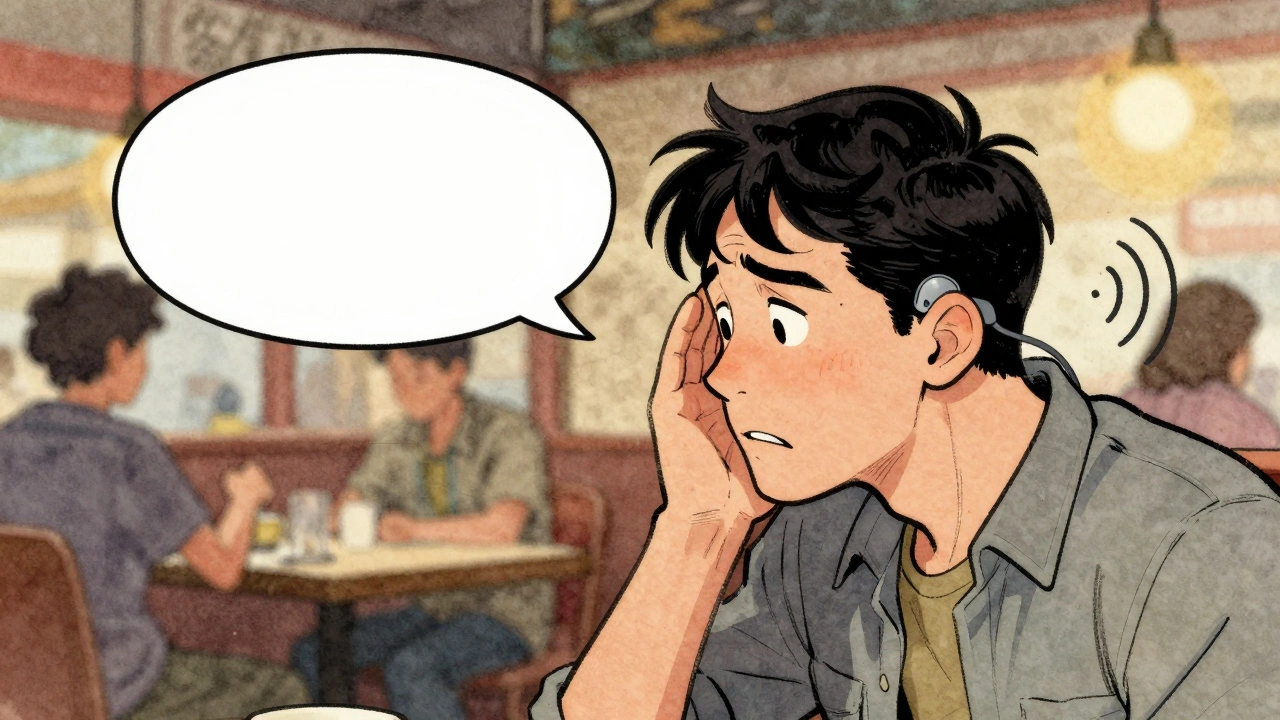
Single-Sided Deafness: CROS and Bone-Anchored Hearing Options Explained
- Robin Tudge
- December 1, 2025
- 14 Comments
Learn how CROS and bone-anchored hearing devices help with single-sided deafness. Compare benefits, costs, risks, and real-world performance to find the right solution for your hearing needs.
read more