

Pharmacovigilance Signal Calculator
How Social Media Helps Spot Drug Side Effects
Pharmaceutical companies use AI to monitor social media for adverse reaction reports. The more people using a drug, the easier it is to detect rare side effects. However, social media data is noisy - only a small percentage of reports are valid signals after human review.
Estimated Signal Detection
Probability of identifying valid side effect reports
With your parameters:
Every year, millions of people take prescription drugs. Most get better. But some don’t. And sometimes, they don’t even know why. That’s where pharmacovigilance comes in - the quiet, behind-the-scenes work of spotting dangerous side effects after a drug hits the market. Traditionally, this meant waiting for doctors to file reports, or patients to call hotlines. But now, patients are talking online - on Reddit, Twitter, Facebook, and health forums - about everything from dizziness to rare rashes. And pharmaceutical companies are listening.
Why Social Media Matters for Drug Safety
Traditional systems miss most adverse reactions. Studies show only 5-10% of real side effects ever make it into official databases. Why? Because reporting is slow. Patients forget. Doctors are busy. Some people don’t trust the system. But on social media, people share in real time - often before they even see a doctor. Take the case of a new antihistamine launched in 2022. Within weeks, users on Reddit started posting about strange skin reactions: red patches, itching that wouldn’t go away. A small group of posts turned into a pattern. Venus Remedies, the manufacturer, flagged it. By the time the first formal report came in through normal channels, social media had already shown a cluster. They updated the label 112 days faster than usual. That’s not luck - that’s what social media pharmacovigilance can do. The numbers back it up. In 2024, 5.17 billion people used social media. That’s over 60% of the planet. And they spend over two hours a day on it. For drugs taken by millions - like antidepressants, diabetes meds, or blood pressure pills - social media becomes a massive, real-time safety net.How It Actually Works
It’s not just scrolling through tweets. It’s a complex system. Companies use AI tools to scan millions of posts daily. These tools don’t just look for drug names. They hunt for phrases like “I started taking X and now I can’t sleep,” or “My legs feel numb since I began this pill.” Two key technologies make this possible:- Named Entity Recognition (NER): This finds and categorizes information. It pulls out drug names, symptoms, dosages, and even slang like “brain fog” or “zombie mode.”
- Topic Modeling: This finds patterns without knowing what to look for. If suddenly everyone’s talking about “tingling hands” after taking a new statin, the system picks it up - even if no one used the word “neuropathy.”
The Big Problems
It’s tempting to think social media is a magic solution. It’s not. The biggest issue? You can’t verify anything. - 100% of social media reports lack confirmed patient identity. Was it really Sarah from Ohio? Or a bot? Or someone using a fake name?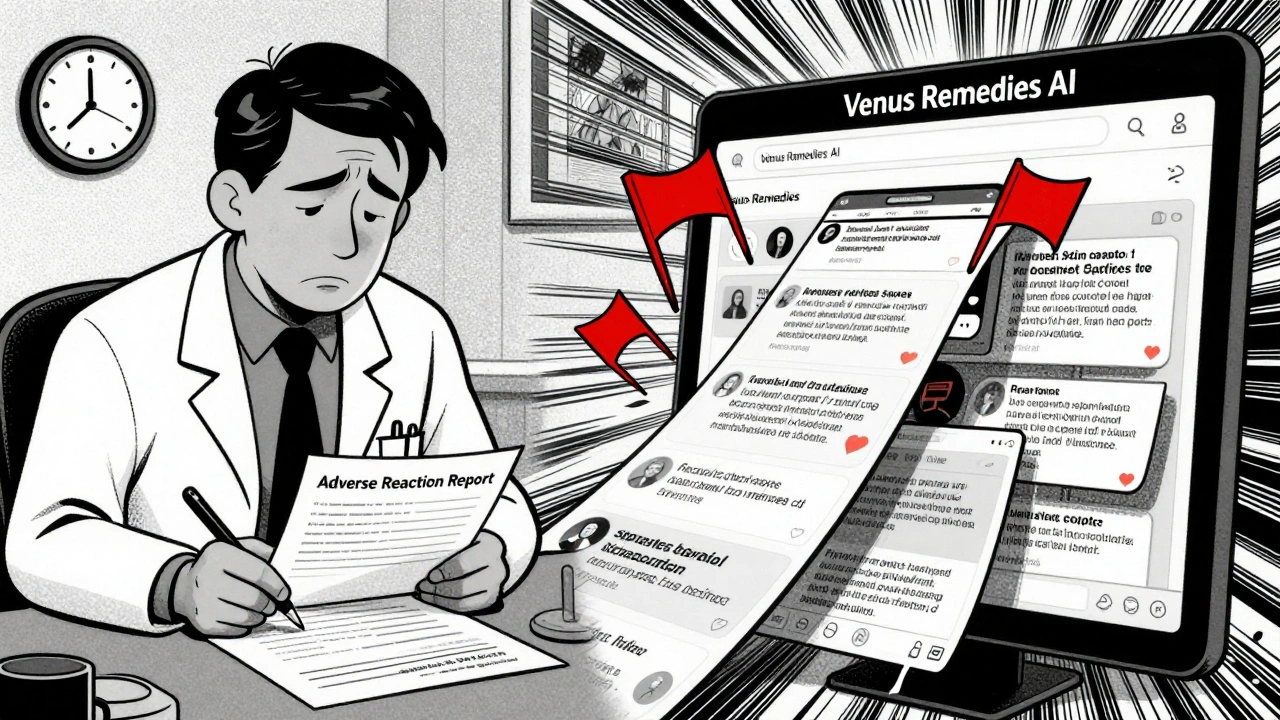
What the Experts Say
Dr. Sarah Peterson, head of pharmacovigilance at Pfizer, calls social media a “valuable supplementary data stream.” She’s not saying it replaces traditional reporting - she says it complements it. “When you see the same symptom pop up across hundreds of posts, especially after a new drug launch, it’s a red flag worth investigating,” she said in a 2024 conference talk. But Professor Michael Chen, who led the WEB-RADR project, is more cautious. After analyzing 24 months of data, he found social media had “limited value” for detecting signals on most drugs. His team found that out of 12,000 potential reports, only 3.2% were valid enough to use in official safety reviews. The FDA agrees. In 2022, they issued formal guidance: social media data can be used - but only if companies prove their methods are reliable. Validation is non-negotiable. Ethically, it’s messy too. Dr. Elena Rodriguez wrote in the Journal of Medical Ethics that we have a duty to use this data to protect patients. But she also warned: “When patients share personal health details on public platforms, they don’t expect it to become part of a corporate safety database.” Consent is blurry at best.Who’s Doing It Right?
Not everyone is using it well. But some are. - European companies lead adoption, with 63% using social media monitoring. The EMA now requires companies to include their social media strategies in annual safety reports.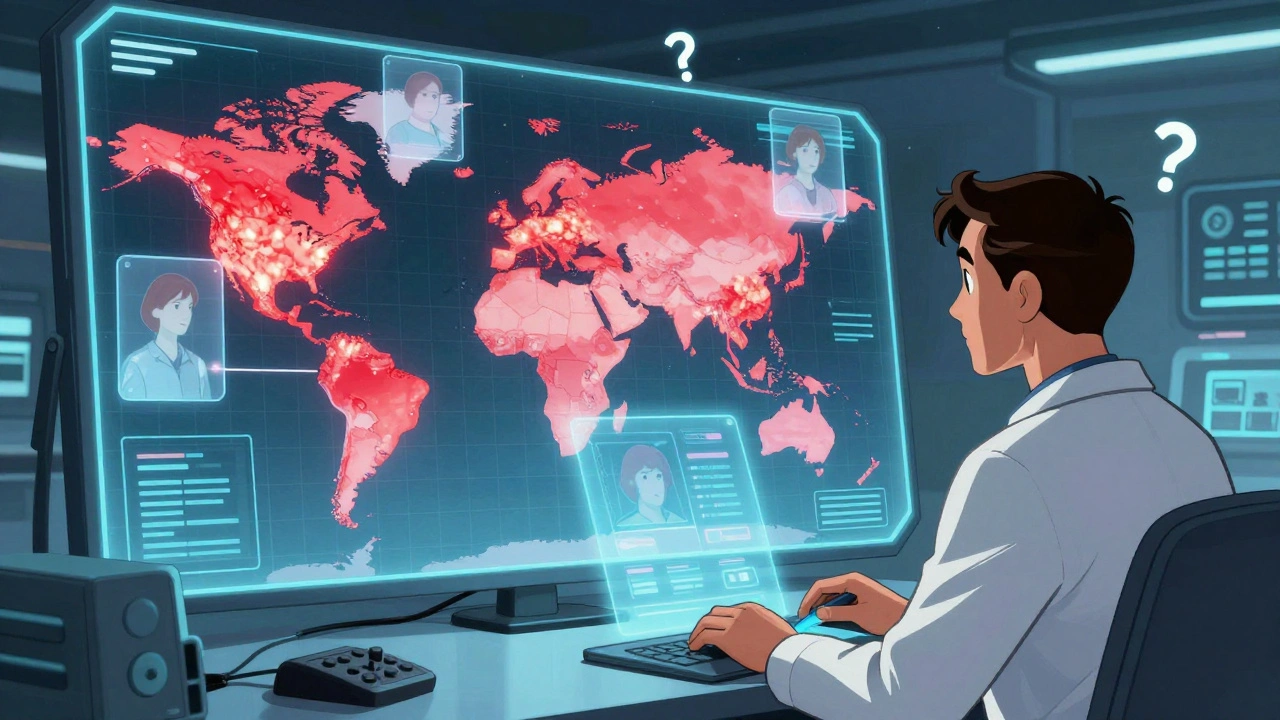
The Future Is Integrated
Social media won’t replace pharmacy records or doctor reports. But it’s becoming part of the backbone of drug safety. The future isn’t about choosing one system over another - it’s about blending them. Imagine this: A patient posts about a new side effect. AI flags it. A specialist reviews it. If it looks real, the system automatically links it to the patient’s prescription history (with consent), checks their lab results, and cross-references with other similar reports. Within hours, a potential signal is validated and sent to regulators. That’s the goal. And the market agrees. The social media pharmacovigilance segment is expected to grow from $287 million in 2023 to nearly $900 million by 2028. Companies are investing because regulators are pushing for it. And patients are demanding transparency.What This Means for You
If you’re taking a new medication, know this: your posts online might be seen - not by your doctor, but by a drug company’s safety team. That’s not a bad thing. It means your experience could help prevent someone else from getting hurt. But it also means privacy matters. Be mindful of what you share. Don’t assume anonymity online. And if you notice a pattern - multiple people reporting the same issue - you’re not just complaining. You’re contributing to science. Pharmacovigilance is no longer just about forms and phone calls. It’s about listening - to the quiet voices on the internet, to the stories people tell when they think no one’s watching. And that’s powerful.Can social media replace traditional adverse drug reaction reporting?
No. Social media is a supplement, not a replacement. Traditional systems still provide verified patient data, medical history, and controlled reporting. Social media gives real-time, unfiltered insights - but lacks verification. The best approach combines both: use social media to spot early signals, then confirm them through formal reporting channels.
Are my social media posts being monitored by drug companies?
Yes, if you’re posting about medications on public platforms like Twitter, Reddit, or Facebook. Most major pharmaceutical companies use AI tools to scan public posts for mentions of their drugs and associated symptoms. They don’t access private messages or non-public accounts, but anything you post publicly can be collected and analyzed as part of pharmacovigilance efforts.
How accurate are AI systems at detecting real side effects from social media?
Current AI systems are about 85% accurate at identifying posts that mention possible adverse drug reactions. But accuracy doesn’t mean validity. Many of those 85% are false alarms - jokes, misunderstandings, or unrelated symptoms. Only about 3-5% of all flagged posts turn out to be valid safety signals after human review. That’s why human validation is still essential.
Why do some drugs get more attention on social media than others?
Drugs with large user bases - like antidepressants, diabetes medications, or birth control - generate far more online chatter. That makes it easier to spot rare side effects. For rare drugs taken by only a few thousand people a year, social media noise drowns out the signal. The FDA found false positive rates hit 97% for these low-prescription drugs, making them nearly impossible to monitor effectively online.
Is it ethical for companies to monitor social media without patient consent?
This is a major ethical debate. On one hand, using public posts to detect life-threatening side effects saves lives. On the other, patients rarely know their posts are being used for drug safety analysis. Ethicists argue that while the intent is beneficial, the lack of informed consent is problematic. Some experts suggest companies should include clear notices in their privacy policies and explore opt-in systems for patients who want their data used for safety research.
What’s the biggest barrier to using social media for pharmacovigilance?
The biggest barrier isn’t technology - it’s data quality. Without verified patient identity, medical history, dosage accuracy, or context, even the best AI can’t determine if a side effect is real or coincidental. Until systems can reliably link social media reports to verified health records (with consent), the risk of false alarms and misinterpretation will remain high.
Can I report a side effect directly through social media?
Not officially. While companies monitor public posts, there’s no direct channel on Twitter or Facebook to submit a formal adverse event report. If you want your experience to be officially recorded, you should report it through your country’s regulatory agency - like the FDA’s MedWatch program in the U.S. - or through your doctor. Social media can raise awareness, but formal reporting ensures your data is properly documented and analyzed.
All Comments
James Kerr December 2, 2025
Honestly, I didn’t even know companies were doing this. Kinda creepy but also kind of cool? Like, if my weird side effect helps someone else avoid it, fine. Just don’t sell my rants to advertisers.
Rashi Taliyan December 3, 2025
OMG I posted about that weird numbness after my new antidepressant and now I’m terrified they’re watching me 😭 I didn’t think anyone but my mom would see it. What if they use it to deny me insurance? This is not what I signed up for.
Rashmin Patel December 3, 2025
Let’s be real - social media is the only place where people actually tell the truth about meds. Doctors don’t listen, and the FDA takes years. I’ve seen so many posts about ‘brain fog’ from Zoloft that I now warn every friend starting it. AI might be messy, but humans? We’re the ones who spot the pattern. Also, emoji alert: 🧠🤯💊
shalini vaishnav December 5, 2025
This is why India needs to stop trusting Western pharma. You think they care about your ‘side effects’? They scan your posts to find loopholes in liability. Your ‘itching’ is just a line item in their quarterly report. We have better traditional systems in Ayurveda - no bots needed.
vinoth kumar December 7, 2025
Big fan of this approach but I’ve seen so many fake reports. Someone once said ‘my dog got dizzy after I gave him my blood pressure pill’ - and it got flagged. Still, when real people share consistent patterns, it’s gold. We need more community moderation, not just AI.
bobby chandra December 8, 2025
Y’all are underestimating how revolutionary this is. We’re talking about turning scattered whispers into a global safety symphony. AI doesn’t just scrape - it *listens*. And yeah, 68% noise? So what? The 32% that’s real? Could save a life. This isn’t surveillance - it’s solidarity. 🚀
Archie singh December 9, 2025
They’re not listening they’re harvesting. Every post you make is a data point in a corporate experiment. You think they care about your rash? They care about how many lawsuits they can dodge. This isn’t pharmacovigilance - it’s predatory data mining disguised as public health.
Gene Linetsky December 9, 2025
Wait so you’re telling me the government and Big Pharma are secretly reading my Reddit threads about my anxiety meds? And they’re using it to manipulate drug pricing? I knew it. They’re using this to gaslight us into thinking the side effects are normal. The CDC knows. The FDA knows. They just don’t tell you. Wake up.
Kidar Saleh December 11, 2025
As someone from the UK who’s seen the NHS struggle with delayed reporting, this is a game-changer. My aunt’s rash from a new statin was flagged by an AI system - and within weeks, the warning label changed. It’s not perfect, but it’s the first time tech actually worked for patients, not profit.
Chloe Madison December 11, 2025
While the technological advancements are commendable, one must not overlook the ethical imperatives surrounding informed consent and data sovereignty. The integration of unverified social media narratives into formal pharmacovigilance frameworks necessitates rigorous protocol adherence, transparent stakeholder engagement, and a reaffirmation of patient autonomy as a non-negotiable tenet.
Myson Jones December 12, 2025
Just wanted to say thanks for writing this. I’m a nurse and I’ve been telling my patients for years to document their side effects online - not because I want them to be monitored, but because someone needs to hear them. It’s wild that it’s now part of the system. Just please, if you post, add your age and meds you’re on. Makes a huge difference.
parth pandya December 13, 2025
i read this and i think its awsome but how do we know if the ai is not just picking up memes? like someone said ‘i took lexapro and now i feel like a zombie’ and its a joke but the system thinks its real?? also i typoed a lot sry
Albert Essel December 13, 2025
Great breakdown. The real issue isn’t the tech - it’s the lack of standardization. Different companies use different AI models, different thresholds, different validation protocols. Until there’s a global framework - like what the WHO did for vaccine reporting - we’re just building a house of cards. And the FDA’s 2022 guidance? A good start, but it’s not enough.