
Mixing up a pill or forgetting a dose might seem like a small slip, but for many, it's a dangerous game. Medication errors aren't just inconvenient; they are a leading cause of hospital readmissions. In fact, some data suggests these mistakes contribute to up to 41% of hospital admissions. When you're managing three, five, or ten different prescriptions, the mental load is heavy. Whether you're caring for an aging parent or managing your own chronic condition, the goal is simple: a system where it is virtually impossible to take the wrong pill at the wrong time.
The Foundation: Your Master Medication List
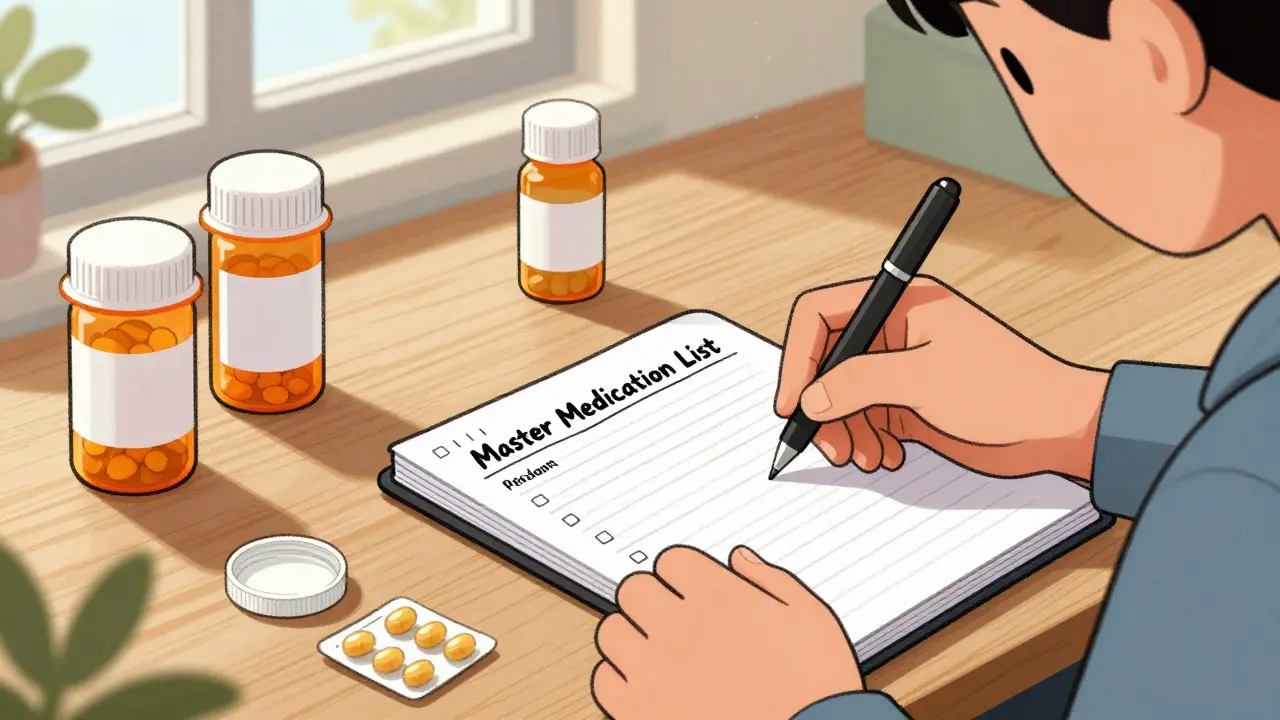
Before you buy a fancy gadget, you need a source of truth. medication safety is the practice of using systematic approaches to prevent errors in non-clinical settings, such as the home. According to experts at the CDC, the single most important thing you can do is maintain a complete, up-to-date medication list. This isn't just a list of prescriptions; it must include over-the-counter drugs and supplements.
Why is this so critical? Because many supplements interact with prescriptions in ways that can cause dizziness or confusion, which often leads to falls in older adults. Your master list should include the drug name, the exact dose, the timing, and what the medication is actually for. When you visit a new doctor or a pharmacy, this list prevents the "I think I'm taking something for blood pressure" guesswork that leads to dangerous drug-drug interactions.
Choosing Your Hardware: From Plastic Boxes to AI
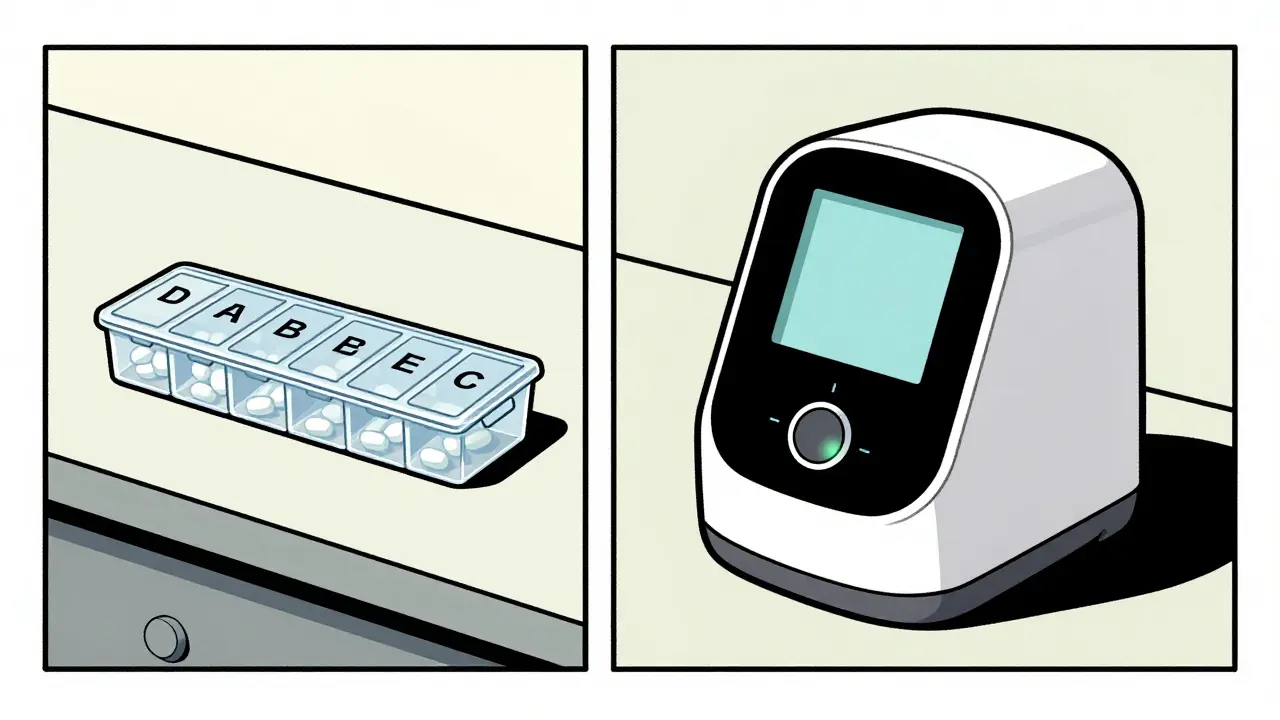
Not everyone needs a high-tech robot. The right system depends on the complexity of the regimen and the cognitive health of the person taking the meds. If you're just taking one vitamin and one blood pressure pill, a basic organizer is plenty. But for complex schedules, you need something with "guardrails."
| System Type | Estimated Cost | Key Benefit | Best For |
|---|---|---|---|
| Basic Pill Organizers | $5 - $25 | Low cost, simple | Simple, 1-2 med regimens |
| Smart Medication Dispensers | $150 - $300 + fee | Automated alerts, high adherence | Complex regimens, memory loss |
| Digital Management Platforms | Variable (Professional) | Rapid assessment, AI tracking | Caregivers and clinicians |
Smart Medication Dispensers (like the Hero system) are changing the game by removing the human element of "remembering." These devices dispense the exact dose at a preset time and alert the user. Research from the NIH showed that these systems can push adherence rates up to 98%. Instead of wondering, "Did I take my morning pill?", the machine simply handles it. However, be prepared for a learning curve; some users report that initial setup can take several hours of technical troubleshooting.
The Digital Shift: AI and Real-Time Tracking
We are moving toward a world where your phone does the heavy lifting. New tools like HomeMeds use smartphone cameras for label recognition, which cuts down the time it takes to inventory a medicine cabinet by half. This is a lifesaver for home health aides who need to quickly verify medications during a visit.
Looking ahead to late 2025, AI-enhanced platforms are expected to offer even more precision. Imagine a system that not only reminds you to take a pill but also cross-references your current inventory with your doctor's latest electronic health record (EHR). While only about a third of current systems integrate with EHRs, the industry is pushing hard toward this interoperability to close the gap between the clinic and the living room.
Step-by-Step: Setting Up Your No-Mistake System
Building a safety net doesn't happen overnight. Follow this structured rollout to ensure nothing slips through the cracks:
- The Great Inventory: Spend 30 minutes gathering every single bottle, tube, and blister pack in the house. Check expiration dates and toss anything old.
- Regimen Simplification: Talk to your pharmacist. Can two medications be taken at once? Can a three-times-a-day pill be switched to a once-a-day extended-release version? Reducing the number of dose times can lower error rates by over 20%.
- Tool Matching: Match the technology to the person. If the user has visual impairments, look for voice-activated options. If they have dementia, a locked automated dispenser is a necessity to prevent accidental double-dosing.
- Caregiver Integration: If you're the caregiver, set up real-time alerts. Knowing a dose was missed the moment it happens allows you to intervene before it becomes a health crisis.
- The 90-Day Review: Every three months, sit down with the medication list and the doctor. Regimens change, and an outdated system is a dangerous system.
Common Pitfalls and How to Avoid Them
Even the best systems have blind spots. One major issue is "as-needed" (PRN) medications. Automated dispensers are great for scheduled doses but struggle with a "take every 6 hours for pain" instruction. For these, use a separate, dedicated logbook to track exactly when the last dose was taken.
Another trap is the "technology over-reliance" fallacy. No matter how smart the dispenser is, it can't tell if a medication is causing a side effect. Be on the lookout for signs of adverse drug effects: unexpected dizziness, sudden confusion, or a rise in chronic pain. Technology is a tool for adherence, but human observation is the tool for safety.
The Cost of Safety vs. The Cost of Error
Investing in a high-end system can feel expensive, with some professional in-home services costing $50 to $100 per hour. However, the financial math is clear. When you consider that medication errors cost the healthcare system billions annually, a $300 dispenser is a bargain. Data from the AARP Foundation suggests that every dollar spent on medication safety can save over four dollars in avoided emergency room visits and hospital stays.
What is the best way to track medications for an elderly parent?
The gold standard is a combination of a master medication list and a smart medication dispenser. The list provides the necessary documentation for doctors, while the dispenser ensures the parent takes the right dose at the right time with automated alerts and caregiver notifications.
Can a smart dispenser handle medications that need to be taken with food?
Most smart dispensers handle timing well, but they cannot "know" if a person has eaten. For medications requiring food, it is best to program the dispenser alert to coincide with meal times and include a written reminder on the device or in the app.
How often should I review my home medication system?
A comprehensive review is recommended every 30 to 90 days. This ensures that changes in prescriptions are updated in the system and that the technology is still meeting the patient's cognitive and physical needs.
What should I do if a smart dispenser has a technical glitch?
Always keep a manual backup, such as a traditional pill organizer or a printed list of doses. If the device fails, refer to the master list to ensure doses are not missed while you contact technical support.
Are these digital platforms HIPAA compliant?
Professional-grade platforms like HomeMeds and those offered by Ennoble Care are designed to be HIPAA compliant, meaning they follow strict security protocols to protect your personal health information. Always check the privacy settings and terms of service for any app you use to track health data.