
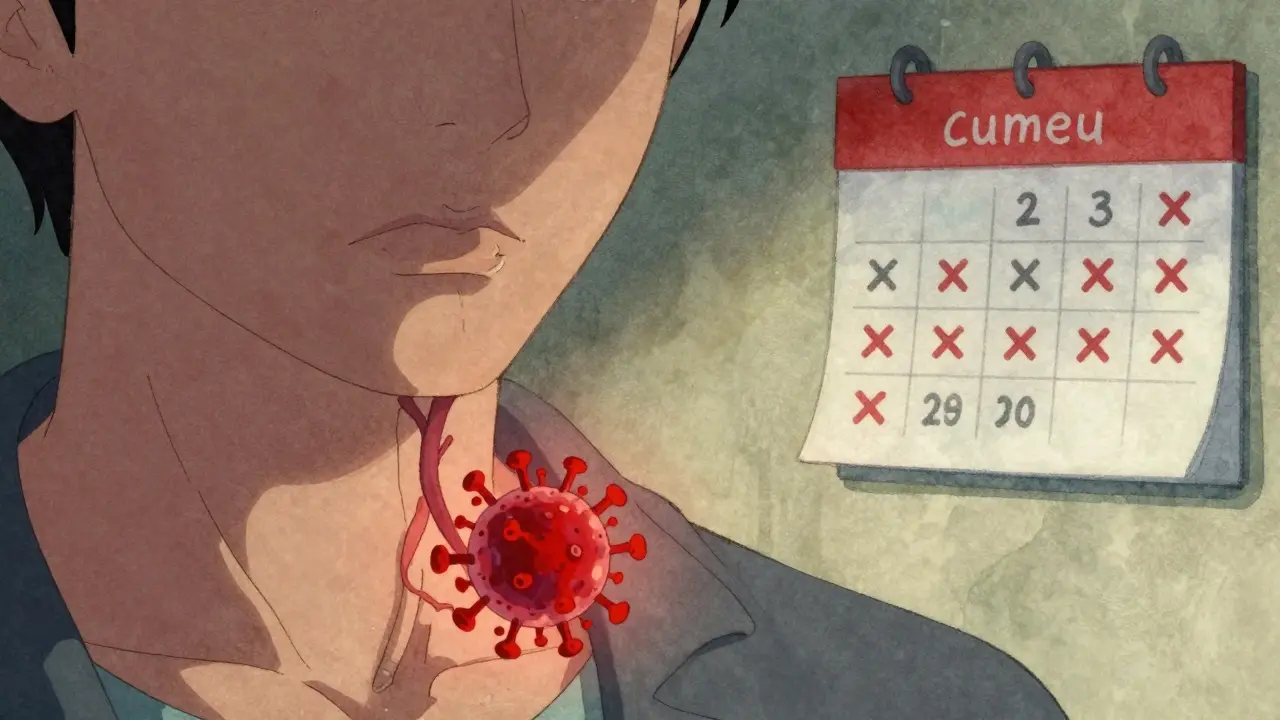
Herpes simplex on the skin isn’t just a rash-it’s a recurring battle that can feel endless. Whether it’s the tingling before a cold sore on your lip or the painful blisters near your genitals, the virus doesn’t leave once it’s in your body. It hides in your nerves, waiting for the right moment to come back. The good news? You can significantly reduce how often it returns and make outbreaks much milder with the right approach. This isn’t about miracle cures or wishful thinking. It’s science-backed, practical, and doable-even if you’ve had outbreaks for years.
Understanding How Herpes Simplex Works
Herpes simplex virus (HSV) comes in two types: HSV-1 usually causes cold sores around the mouth, and HSV-2 is more common in the genital area. But that’s not a hard rule anymore. Many people now get genital herpes from HSV-1 through oral sex. Once you’re infected, the virus travels to nerve clusters near your spine and goes dormant. It doesn’t die. It just waits.
Reactivation happens when your body’s defenses dip. Stress, sunburn, illness, hormonal shifts, or even a dental procedure can trigger it. That’s why some people get outbreaks every few months, while others go years without one. The virus doesn’t care about your schedule. It cares about your immune system’s strength.
What you see on your skin-blisters, ulcers, scabs-is the virus replicating and moving to the surface. By the time you see the lesion, the virus has already been shedding, meaning you can spread it even before symptoms appear. That’s why prevention isn’t just about treating sores. It’s about stopping the cycle before it starts.
Antiviral Medications: The Most Effective Tool for Prevention
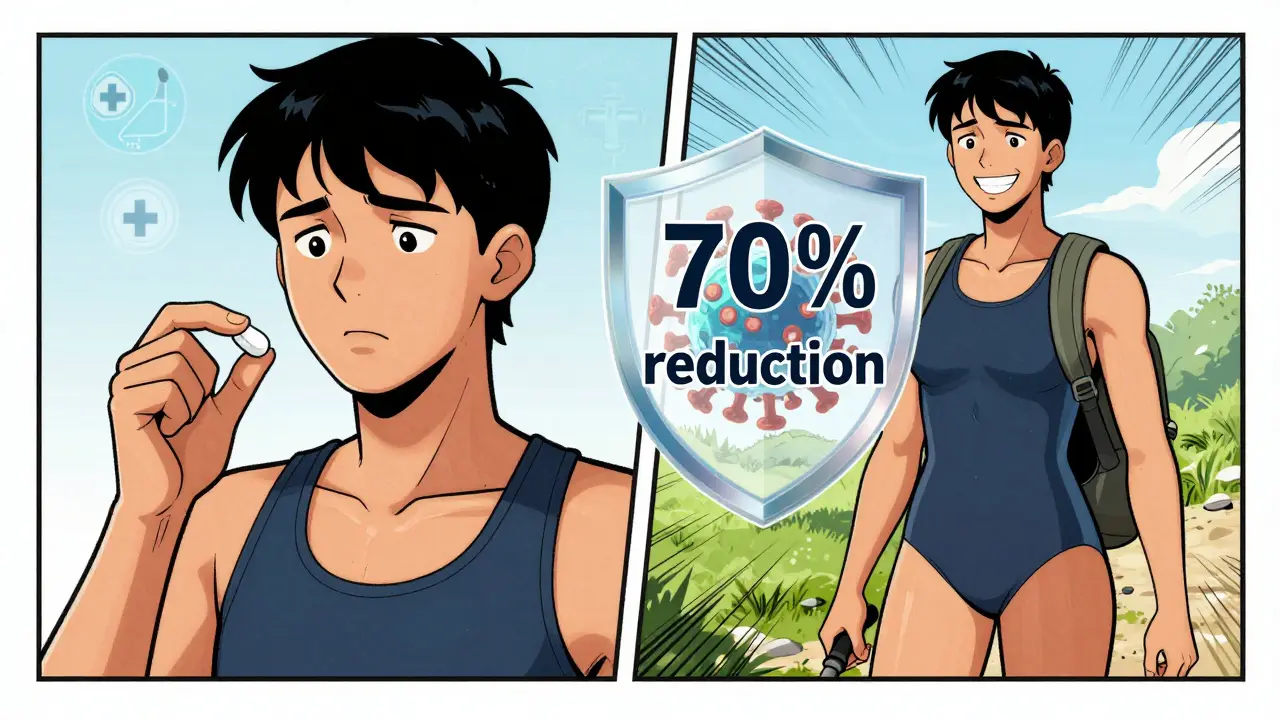
If you have six or more outbreaks a year, daily antiviral medication is the single most effective way to cut recurrences. Studies show it reduces outbreaks by 70-80%. That’s not a guess. It’s from the Cochrane Database of Systematic Reviews, a gold-standard analysis of hundreds of clinical trials.
Three drugs are used for this: acyclovir, valacyclovir, and famciclovir. Of these, valacyclovir (Valtrex) is often preferred because it’s better absorbed. You take less of it, fewer times a day. For example, 500mg once daily can keep HSV-2 under control. For HSV-1 cold sores, 500mg twice daily cuts recurrences by 50-78% when triggered by sun exposure.
But here’s the catch: this isn’t for everyone. If you only get one or two outbreaks a year, daily pills may not be worth the cost. Valacyclovir runs about $370 a month without insurance in the U.S. For infrequent outbreaks, episodic therapy makes more sense. That means taking a high dose-like 2g of valacyclovir-right when you feel the first tingle, itch, or burn. Start within an hour of prodrome symptoms, and you can shorten healing time from over five days to under four. Wait until the blister appears, and you lose half the benefit.
For people getting laser treatments, chemical peels, or dermabrasion, doctors now routinely prescribe 500mg of valacyclovir twice daily for 10-14 days before and after the procedure. Studies show this prevents outbreaks almost entirely. Without it, 10-20% of people with a history of herpes get a flare-up after these procedures. With it, the rate drops to near zero.
Trigger Management: What Makes Herpes Come Back
Medication helps, but you can’t rely on pills alone. Triggers are the real enemy. And the biggest one? Stress.
Reddit’s r/Herpes community, with over 127,000 members, found that 68% of users link outbreaks to stress. That’s not coincidence. When you’re overwhelmed, your immune system slows down. The virus senses it and wakes up. Managing stress isn’t optional-it’s part of your treatment plan. Try daily walks, meditation, or even talking to a therapist. You don’t need to eliminate stress. Just reduce its grip.
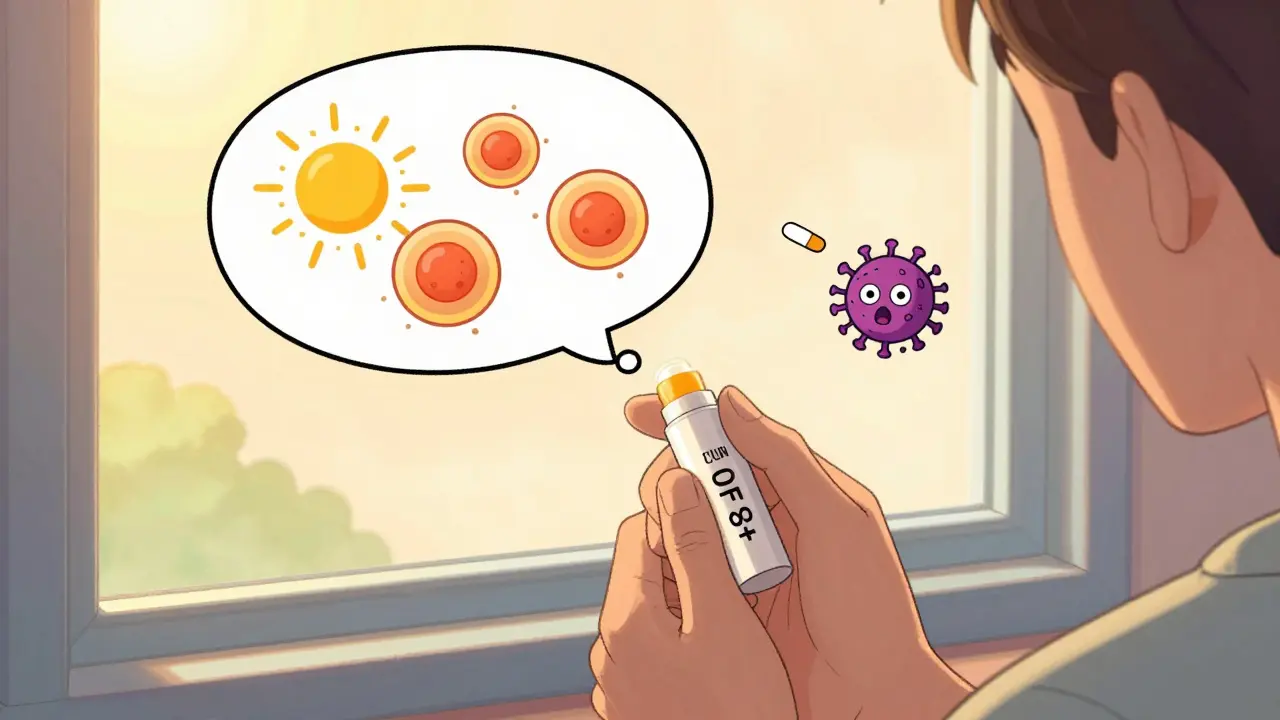
Sun exposure is another major trigger, especially for cold sores. UV rays damage skin cells and weaken local immunity. Use SPF 30+ lip balm every day, even in winter. A 2022 Healthline survey of 1,200 people found that 76% had fewer outbreaks with consistent sun protection.
Other triggers include fatigue, alcohol, certain foods (like chocolate or nuts, though evidence is weak), and even menstruation. Track your outbreaks for a few months. Note what you were doing, how you were sleeping, and how you were feeling. Patterns emerge. Once you see them, you can avoid them.
What Doesn’t Work (And Why)
There’s a lot of misinformation out there. Topical creams like Zovirax ointment? They don’t prevent outbreaks. A 2000 study in the American Academy of Family Physicians journal showed no benefit for prevention, even when applied five times a day. They might soothe a sore, but they won’t stop the next one.
Zinc supplements? Some people swear by them. A 2022 survey found 63% of users reported less severe outbreaks with 15-30mg daily. But there’s no large-scale trial proving it stops recurrences. It might help your immune system, but don’t count on it as your main defense.
Essential oils, lysine, or apple cider vinegar? No solid evidence. They’re not harmful, but they won’t replace antivirals. Relying on them alone means you’re leaving your health to chance.
And don’t skip doses because of cost. A 2022 survey by the Herpes Challenge Foundation found that 72% of people skipped pills because they were too expensive. That’s dangerous. Inconsistent dosing leads to more outbreaks-and more transmission risk. Talk to your doctor. Ask about generics, patient assistance programs, or mail-order pharmacies. Many drugmakers offer discounts for low-income patients.
Preventing Transmission to Others
You care about your own health. But you also care about the people around you. HSV spreads through skin-to-skin contact-even when there’s no visible sore. The CDC says that even with daily valacyclovir, about 4-5% of serodiscordant couples (one positive, one negative) still see transmission over a year.
That’s why prevention isn’t just about you. Use condoms and dental dams during sex. Avoid kissing or oral sex when you feel tingling. Don’t share lip balm, towels, or razors. Wash your hands after touching a sore. These aren’t overcautious steps-they’re essential.
And if you’re planning a procedure like laser resurfacing, tell your provider about your herpes history. A 2022 audit found that only 63% of independent dermatologists screen for HSV before cosmetic procedures. Most major clinics do, but not all. Be your own advocate.
When to See a Doctor
You don’t need to wait for a crisis. If you’re having more than five outbreaks a year, talk to your doctor about suppressive therapy. If you’re unsure whether a sore is herpes, get it checked. Other conditions like fungal infections or eczema can look similar.
Also, if you’re pregnant, immunocompromised, or have sores that don’t heal in two weeks, see a provider immediately. Complications like herpetic whitlow (infection on fingers) or eye infections can happen if HSV spreads.
Don’t be embarrassed. Doctors see this every day. The American Sexual Health Association runs a free hotline (1-800-227-8922) that handled over 14,000 calls in 2022. Their advice is clear: you’re not alone, and you’re not broken.
Real Results: What People Experience
One woman in Seattle, 34, had eight outbreaks a year-sometimes monthly. She started daily valacyclovir 500mg. Within three months, she had one. After a year, none. She stopped worrying about kissing her partner, traveling, or wearing swimsuits. She said it changed her life.
Another man, 42, got cold sores after every sunburn. He started using SPF 30+ lip balm every day and took valacyclovir 2g at the first tingle. His outbreaks dropped from six a year to one. He now uses episodic therapy only. He doesn’t take pills daily. He doesn’t need to.
These aren’t rare cases. They’re standard outcomes for people who follow the science. The goal isn’t perfection. It’s control. You can live with herpes without letting it control you.
What’s Next: Research and Hope
There’s no cure yet. But things are moving. In 2023, the FDA approved pritelivir for rare, drug-resistant cases. It’s not for everyone, but it’s a sign progress is happening.
Several vaccines are in trials. Early results show they can reduce viral shedding by 30-40%. That’s not a cure, but it’s a step toward fewer outbreaks and less spread. Long-acting injectables that last 90 days are also being tested. Imagine one shot a quarter instead of a daily pill.
For now, the tools we have work. You don’t need to wait for a miracle. Start with the basics: know your triggers, use antivirals wisely, protect your skin, and talk to your doctor. You’ve got this.
Can herpes simplex be cured?
No, herpes simplex virus cannot be cured. Once you’re infected, the virus stays in your body for life, hiding in nerve cells. But it can be controlled. Daily antiviral medication, trigger management, and early treatment of outbreaks can reduce recurrences by up to 80%. You can live without frequent outbreaks or transmission risk.
How often should I take antiviral medication for prevention?
If you have six or more outbreaks a year, daily suppressive therapy is recommended. For HSV-2, 500mg of valacyclovir once daily is common. For HSV-1 cold sores, 500mg twice daily helps if sun exposure triggers outbreaks. If outbreaks are infrequent, take a high dose (2g) at the first sign of tingling-within an hour-for best results. Never skip doses without talking to your doctor.
Is it safe to take antivirals long-term?
Yes, for most people. Acyclovir, valacyclovir, and famciclovir have been used safely for decades. Side effects like headache or nausea are mild and uncommon. Long-term use can affect kidney function in people with pre-existing kidney disease, so your doctor may check your creatinine levels annually. If you’re healthy, the benefits far outweigh the risks.
Can I spread herpes even if I don’t have a sore?
Yes. The virus sheds without symptoms about 10-20% of the time in people with HSV-2, and less often with HSV-1. That’s why transmission can happen even when no sore is visible. Daily antivirals reduce shedding by 70-90%, and using condoms or avoiding contact during prodrome helps further. You can’t eliminate risk entirely, but you can reduce it dramatically.
Should I tell my partner I have herpes?
Yes. Transparency builds trust and lets your partner make informed choices. You can reduce transmission risk to near zero with daily antivirals and avoiding contact during outbreaks. Many couples stay together for decades without transmission. It’s not a dealbreaker-it’s a health conversation.
Can I get herpes from sharing a towel or lipstick?
It’s possible, but rare. The virus doesn’t survive long outside the body. The main risk is direct skin contact during an outbreak or when you feel tingling. Avoid sharing lip balm, razors, or towels during active outbreaks. Outside of that, the risk is very low. Focus on avoiding skin-to-skin contact when symptoms are present.
Do I need to avoid sex if I have herpes?
No. You can have a full, healthy sex life. Use condoms and dental dams. Take daily antivirals if recommended. Avoid sex during outbreaks or when you feel the first signs of tingling. With these steps, transmission risk drops to less than 1% per year for many couples. Fear shouldn’t rule your relationships.
All Comments
Jeffrey Frye December 23, 2025
so i’ve been on valacyclovir for 2 years now and honestly? it’s the only thing that stopped me from crying every time i kissed someone. i used to get 8 outbreaks a year. now? zero. no more hiding my lips, no more panic when i feel a tingle. just take the damn pill. it’s not magic, it’s science. and yeah, it’s expensive, but ask your doc about generics. you’re worth it.
Dan Gaytan December 24, 2025
this is so helpful 🙏 i had no idea sunburn could trigger it so bad. i just thought it was stress or being sick. i started using SPF 30 lip balm every day like you said and already noticed less tingling. also, the part about laser treatments? mind blown. i’m getting a peel next month and was gonna skip telling my derm. now i’m calling them ASAP. thank you for not making this feel shameful.
Usha Sundar December 25, 2025
i don’t trust doctors. they profit off this.
claire davies December 27, 2025
oh my god, this post is like a warm hug from a very knowledgeable bestie who also happens to be a pharmacist. i’ve been living with HSV-1 for 15 years and honestly, the biggest shift wasn’t the meds-it was finally letting go of the shame. i used to avoid pool parties, kissing, even saying ‘hi’ too enthusiastically. now? i use my SPF lip balm like it’s my job, i take my pills without guilt, and i tell new partners before the first kiss. it’s not a life sentence-it’s a lifestyle tweak. and if you’re scared to talk to your doc? just say ‘i read this article and want to explore suppressive therapy.’ they’ve heard it a thousand times. you’re not weird. you’re just human.
Harsh Khandelwal December 28, 2025
you know who benefits from you taking daily pills? Big Pharma. they don’t want you cured, they want you addicted. why do you think they push this $370/month drug? there’s a vaccine coming. they’re hiding it. i’ve been taking lysine and apple cider vinegar for 3 years and haven’t had an outbreak since. the docs are lying. they’re scared of natural cures.
Andy Grace December 30, 2025
i’ve had herpes for 10 years. never took antivirals. just learned my triggers. too much coffee = outbreak. too little sleep = outbreak. stress? always. i stopped drinking caffeine after 2pm, started meditating for 10 mins a day, and now i’m down to one outbreak every 18 months. sometimes the best medicine is just… slowing down.
Spencer Garcia December 31, 2025
if you’re getting 1-2 outbreaks a year, episodic is totally fine. 2g at first tingle, within an hour. works like a charm. no need to spend $370/month if you don’t have to. also-yes, tell your partner. most people are way more chill about it than you think.
Abby Polhill January 1, 2026
the viral shedding stats are critical here. 10-20% asymptomatic shedding for HSV-2 means transmission isn’t about ‘if’-it’s about ‘when’ without suppression. daily antivirals reduce shedding by 70-90%, which drops transmission risk to <1% annually in serodiscordant couples. that’s not theoretical-it’s clinical epidemiology. condoms + suppressive therapy = near-zero risk. this isn’t fearmongering. it’s risk stratification.