
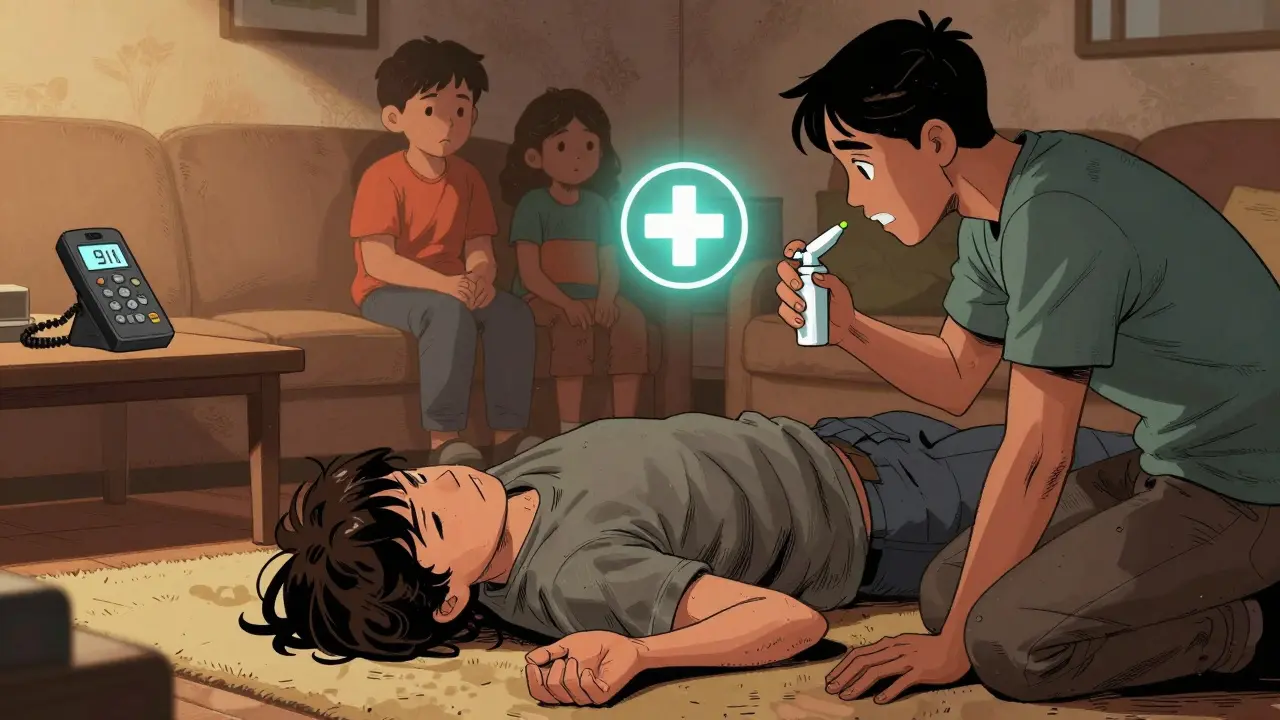
When someone overdoses on medication, time isn’t just important-it’s everything. A person can go from feeling fine to struggling to breathe in under a minute. And yet, many people don’t know that for several common overdoses, there’s a specific medicine that can reverse the danger. These aren’t guesswork remedies or home tricks. They’re proven, life-saving antidotes used in hospitals and now increasingly available at home.
What Is an Antidote, Really?
An antidote isn’t just any medicine that helps with a bad reaction. It’s a targeted treatment that directly undoes the harmful effect of a specific drug. Think of it like a key that fits only one lock. Naloxone unlocks the blocked breathing caused by opioids. N-acetylcysteine (NAC) rebuilds the liver’s defenses after too much acetaminophen. Flumazenil flips the switch back on in the brain after too many benzodiazepines.These aren’t new discoveries. The science behind them has been around for decades, refined by poison control centers and emergency teams handling over 2 million cases every year in the U.S. But public awareness is still low. Most people don’t know that if they or someone they care about takes too much of a common painkiller or sleep aid, there’s a real, fast, effective fix-if they act quickly.
Acetaminophen Overdose: The Silent Liver Killer
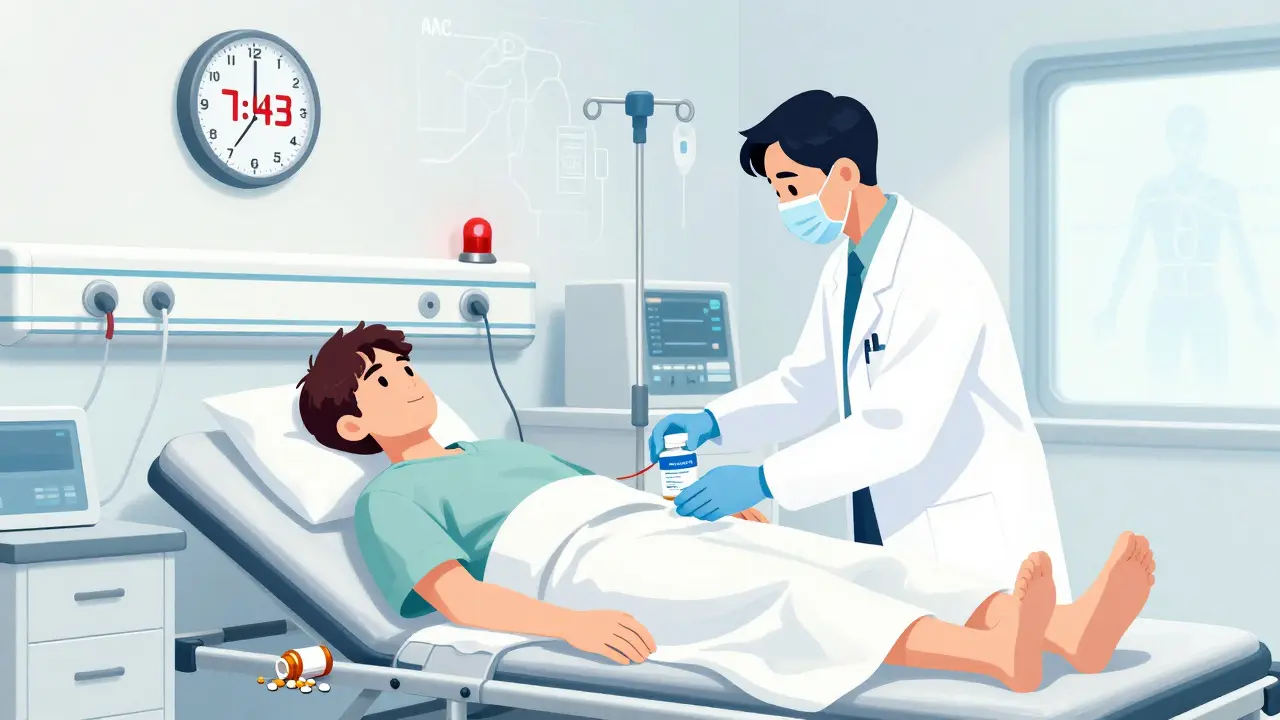
Acetaminophen (Tylenol, paracetamol) is in over 600 medications-from cold pills to migraine tablets. It’s safe at normal doses. But take just 10-12 grams at once (about 20-30 regular pills), and it starts destroying your liver. The scary part? You might feel fine for hours. No vomiting, no pain. Then, 24 to 48 hours later, your liver begins to fail.The antidote is N-acetylcysteine, or NAC. It works by restoring glutathione, the liver’s main defense against toxins. But timing is everything. If you start NAC within 8 hours of taking too much, it’s 98% effective at preventing liver damage. After 16 hours, the chances of survival drop sharply.
Hospitals give NAC through an IV over 21 hours. That’s a long treatment, but it’s necessary. Oral NAC is an option too, but it tastes awful and can cause vomiting, which makes it harder to keep down. The full oral dose is 133 grams-spread over 20 hours. That’s not something you can buy at the pharmacy and wing it. You need medical supervision.
Don’t wait for symptoms. If you think you’ve taken too much acetaminophen-even if you feel okay-get to an ER or call Poison Control immediately. The sooner NAC starts, the better your outcome.
Opioid Overdose: The Quick Fix That Saves Lives
Opioids-prescription painkillers like oxycodone, or illegal drugs like heroin and fentanyl-slow breathing until it stops. That’s what kills. The antidote here is naloxone. It’s not a cure. It doesn’t fix the addiction. But it can bring someone back from the edge of death in minutes.Naloxone works by kicking opioids off brain receptors. It’s safe, even if someone didn’t take opioids. If they didn’t overdose, naloxone does nothing. That’s why it’s now available without a prescription in most places. You can get it as a nasal spray (Narcan, Kloxxado) or an auto-injector (Evzio). The dose? One spray into one nostril. If there’s no response after 2-3 minutes, give another.
Here’s the catch: naloxone wears off in 30 to 90 minutes. Opioids like fentanyl can last much longer. So even if someone wakes up, they can slip back into overdose once the naloxone wears off. That’s why calling 911 is non-negotiable. Emergency help is still needed.
More than 1,800 overdoses have been reversed by naloxone kits distributed through Australia’s Take-Home Naloxone Program. In the U.S., 49 states now have laws making naloxone easier to get. Still, cost remains a barrier-some nasal sprays cost over $125. Generic versions and community programs are helping, but access isn’t equal everywhere.
Benzodiazepine Overdose: When Calming Drugs Become Dangerous
Drugs like Xanax, Valium, and Klonopin are powerful sedatives. They’re safe when used as prescribed. But when mixed with alcohol or opioids-or taken in large amounts-they can shut down breathing. The antidote? Flumazenil.Flumazenil reverses benzodiazepines by blocking their effect on brain receptors. It’s given as an IV drip, starting with a tiny 0.2 mg dose. If needed, more is added slowly, up to 3 mg total. But here’s the big warning: if someone has been taking benzodiazepines daily for weeks or months, flumazenil can trigger sudden, dangerous seizures. That’s why many doctors avoid it in chronic users.
In those cases, the best treatment isn’t an antidote at all-it’s supportive care. Oxygen. Breathing support. Monitoring. Letting the drug leave the body naturally. Flumazenil is only used when the overdose is clear, recent, and the patient isn’t dependent on the drug.
One Reddit post from an ER nurse described giving naloxone to someone who woke up combative after an opioid overdose. The same thing can happen with flumazenil: sudden awakening can cause panic, aggression, or seizures. That’s why it’s never given without medical staff present.
Toxic Alcohols: Methanol and Ethylene Glycol
These aren’t common in everyday medicine, but they’re deadly when accidentally ingested. Ethylene glycol is in antifreeze. Methanol is in windshield washer fluid, some cleaning products, and sometimes homemade alcohol. Both turn into toxic acids in the body that destroy kidneys, eyes, and the brain.The antidote is fomepizole. It stops the body from turning the alcohol into poison. It’s given as an IV injection: 15 mg/kg first, then 10 mg/kg every 12 hours. It’s expensive-around $4,000 per treatment-but it’s safer and easier to manage than the old alternative: ethanol (vodka or whiskey). Ethanol works too, but you have to keep giving it by mouth or IV to maintain blood levels. That’s messy, risky, and hard to control.
Time matters here too. Treatment should start within 10 hours of ingestion. If you suspect someone drank antifreeze or a suspicious liquid, don’t wait for symptoms. Call Poison Control. Get them to the ER. This isn’t something you can treat at home.
Methemoglobinemia: When Blood Can’t Carry Oxygen
This rare condition happens when certain drugs-like benzocaine (in some numbing sprays), dapsone (an antibiotic), or even some laundry detergents-turn hemoglobin into methemoglobin. That version of hemoglobin can’t carry oxygen. Skin turns blue-gray. Breathing gets hard. The person feels dizzy or faint.The antidote is methylene blue. Given as an IV push over 5 minutes, at 1 to 2 mg per kg of body weight. It’s fast. It works. But too much can cause harm. The total dose should never exceed 7 mg/kg. It’s also not used in people with G6PD deficiency, a genetic condition that makes red blood cells fragile.
This is a hospital-only treatment. If you notice blue lips or skin after using a numbing spray or taking a new medication, get help right away. Don’t assume it’s just a rash or allergic reaction.
What You Can Do Right Now
You don’t need to be a doctor to help prevent a death from overdose. Here’s what you can do today:- If you or someone you know takes opioids, get a naloxone kit. Many pharmacies sell them without a prescription. Community centers and health departments often give them away for free.
- Keep acetaminophen locked up. Don’t leave it out where kids or others might grab it. Know how many pills are in each bottle.
- Never mix painkillers with alcohol or sleep aids. That’s how most deadly overdoses happen.
- Save Poison Control’s number (1-800-222-1222 in the U.S.) in your phone. Don’t wait for symptoms. Call immediately if you think someone took too much.
- Learn the signs: slow or stopped breathing, blue lips, unresponsiveness, extreme drowsiness.
Antidotes are powerful tools. But they’re not magic. They work best when paired with quick action and professional care. The goal isn’t just to wake someone up-it’s to keep them alive long enough to get real treatment.
Myths About Antidotes
There’s a lot of misinformation out there. Let’s clear up a few:- Myth: I can just give someone coffee or cold showers to wake them up. Truth: These do nothing. They can even make things worse.
- Myth: Naloxone is addictive. Truth: It has no high. It doesn’t affect people who haven’t taken opioids.
- Myth: If they wake up after naloxone, they’re fine. Truth: They’re not. They need to go to the hospital.
- Myth: Only drug users need naloxone. Truth: Most opioid overdoses happen to people taking prescribed painkillers.
Antidotes save lives. But they’re only part of the solution. The real power is in knowing when and how to use them-and acting before it’s too late.
Can I keep naloxone at home?
Yes. Naloxone nasal spray (like Narcan) is available without a prescription at most pharmacies in the U.S. Many community health centers and harm reduction programs give it away for free. It’s safe to keep at home if you or someone you live with takes opioids, even if they’re prescribed. Store it at room temperature. Check the expiration date-replace it if it’s past.
What if I give naloxone to someone who didn’t overdose?
It won’t hurt them. Naloxone only works if opioids are in the system. If someone is unconscious for another reason-like a seizure, stroke, or low blood sugar-naloxone does nothing. Giving it is safe and could save a life if opioids are involved.
Is NAC available over the counter?
No. N-acetylcysteine for acetaminophen overdose is only available by prescription and must be given under medical supervision. You can buy NAC as a dietary supplement online, but those pills are not the same as the medical-grade IV or oral solution used in hospitals. They won’t work for overdose.
How long does it take for an antidote to work?
It varies. Naloxone works in 2 to 5 minutes. NAC starts protecting the liver within hours, but full treatment takes 21 hours. Flumazenil can reverse sedation in minutes. But speed depends on how the drug is given (IV vs. nasal) and how much was taken. Always assume the person needs ongoing medical care-even after the antidote works.
Can I use alcohol to treat methanol poisoning at home?
No. While ethanol (alcohol) was once used as an emergency treatment for methanol or ethylene glycol poisoning, it’s dangerous and imprecise. It requires constant IV monitoring and can cause alcohol poisoning itself. Fomepizole is the standard now-and it’s only given in a hospital. If you suspect toxic alcohol ingestion, call 911 immediately. Don’t try to treat it yourself.
What Comes Next?
If you’ve never thought about antidotes before, now’s the time. Keep a naloxone kit in your car, your bag, or your medicine cabinet. Know where your local poison control center is. Talk to your doctor if you’re on long-term pain medication. Talk to your family about what to do in an emergency.Antidotes aren’t just for hospitals anymore. They’re tools for everyday people. And in the right hands, at the right time, they turn a tragedy into a second chance.
All Comments
Christina Widodo January 13, 2026
I had no idea naloxone was available over the counter now. My cousin overdosed last year and we almost lost him. Got the nasal spray after, keep it in my glovebox. Life saver.
Also, why do people still think coffee wakes you up from an OD? That’s wild.
Prachi Chauhan January 14, 2026
Antidotes are like cosmic balance. One drug locks the door, another unlocks it. Nature’s yin and yang. But we treat them like magic bullets. The real issue? Why do we let these poisons be so accessible in the first place? We fix symptoms, not systems.
Katherine Carlock January 15, 2026
My dad’s on long-term oxycodone after his back surgery. We got Narcan last month. I cried when the pharmacist handed it to me. He didn’t want it, said he’s not a drug addict. But I told him-this isn’t about addiction, it’s about love. And now it’s in his nightstand.
Thank you for writing this. People need to hear this.
Jennifer Phelps January 16, 2026
NAC is only available by prescription for overdose but you can buy it online as a supplement? That’s a trap. People think those pills will help if they take too much Tylenol and they die because they waited to get to the hospital. The supplement dose is like 600mg. You need 133 grams. That’s like 220 pills. No one’s gonna swallow that many.
Also why is everyone still mixing booze and painkillers?
beth cordell January 16, 2026
THIS. IS. LIFE. SAVER. 🙏
Naloxone in my purse. NAC info saved in my notes. Poison Control number on my lock screen.
My little brother is in recovery. I’m not waiting for tragedy. I’m preparing.
Thank you for this. 💙
Craig Wright January 17, 2026
This article is dangerously naive. In the UK, we don’t hand out antidotes like candy. People need responsibility, not easy fixes. If you can’t control your intake, why should society bear the cost of your poor choices? Naloxone encourages recklessness. It’s a moral hazard.
Lelia Battle January 19, 2026
There’s something deeply human about the idea that a single molecule can undo the damage of another. We design drugs to alter consciousness, and then we create antidotes to restore it. It’s poetic, in a way. But it’s also tragic that we need them at all.
Perhaps the real antidote is compassion, not chemistry.
Rinky Tandon January 21, 2026
Ugh. So this is what happens when people get lazy and take pills like candy. Naloxone? Please. It’s just a bandaid. The real problem is the pharmaceutical industry pushing opioids like candy. And now they want us to hand out flumazenil like candy too? Wake up. People are just addicted to feeling good. This isn’t medicine-it’s enabling.
And don’t get me started on NAC supplements. People think they’re smart buying them online. They’re not. They’re idiots.
Ben Kono January 22, 2026
Anyone else notice how they never mention that flumazenil can cause seizures if you’ve been on benzos for a while? I work in ER and we had a guy die because someone gave him flumazenil thinking he was just high. He’d been on Xanax for 7 years. They didn’t ask. He coded. Don’t be that person.
Call 911. Always.
Amanda Eichstaedt January 23, 2026
My mom used to keep a bottle of Tylenol on her nightstand. She’d take 4 at a time for headaches. I didn’t realize how dangerous that was until I read this. Now I check her bottles every week. We’ve got the poison control number on the fridge. I’m not waiting for a crisis. Knowledge is power.
Also-why is this not taught in high school health class?!
Alex Fortwengler January 24, 2026
Big Pharma made this whole thing up. Naloxone? NAC? Flumazenil? They sell the drugs then sell the antidotes. It’s a racket. They want you dependent. That’s why they keep pushing opioids and then push naloxone like it’s a miracle. They profit either way. The real solution? Ban all prescription painkillers. Let people suffer. Maybe then they’ll stop being weak.
Eileen Reilly January 26, 2026
ok so i just found out that methylene blue can be toxic if you have G6PD deficiency??? like wtf why is this not on the label??? i took it once for a UTI and felt like i was gonna die. they said it was "just anxiety". no it wasn’t. i had hemolysis. i’m lucky i didn’t die. why is this not common knowledge???
Monica Puglia January 27, 2026
My cousin works in harm reduction in Portland. She hands out naloxone kits and clean needles. She says most people who use them are parents, grandparents, teachers. Not "drug addicts." Just people who take meds. Or have a friend who does.
It’s not about judgment. It’s about showing up.
Keep the kits. Know the signs. Save a life. ❤️
Cecelia Alta January 28, 2026
Look, I get it, you’re all so woke about antidotes now. But let’s be real-most of these people who overdose are just lazy, entitled, and addicted to feeling good. They don’t want to change. They just want someone else to fix it for them. And now we’re handing out free narcan like candy at a parade? What’s next? Free fentanyl patches? This isn’t compassion, it’s enabling on a national scale. And don’t even get me started on how people think they can just take NAC supplements and be fine. That’s like drinking bleach and then taking an antacid. It doesn’t work that way. You need to stop being so soft. People need to learn consequences. This article is just another feel-good lie that lets people off the hook.